
Pro Plumbers · 24 November 2026
Why does my heating come on when it is switched off?
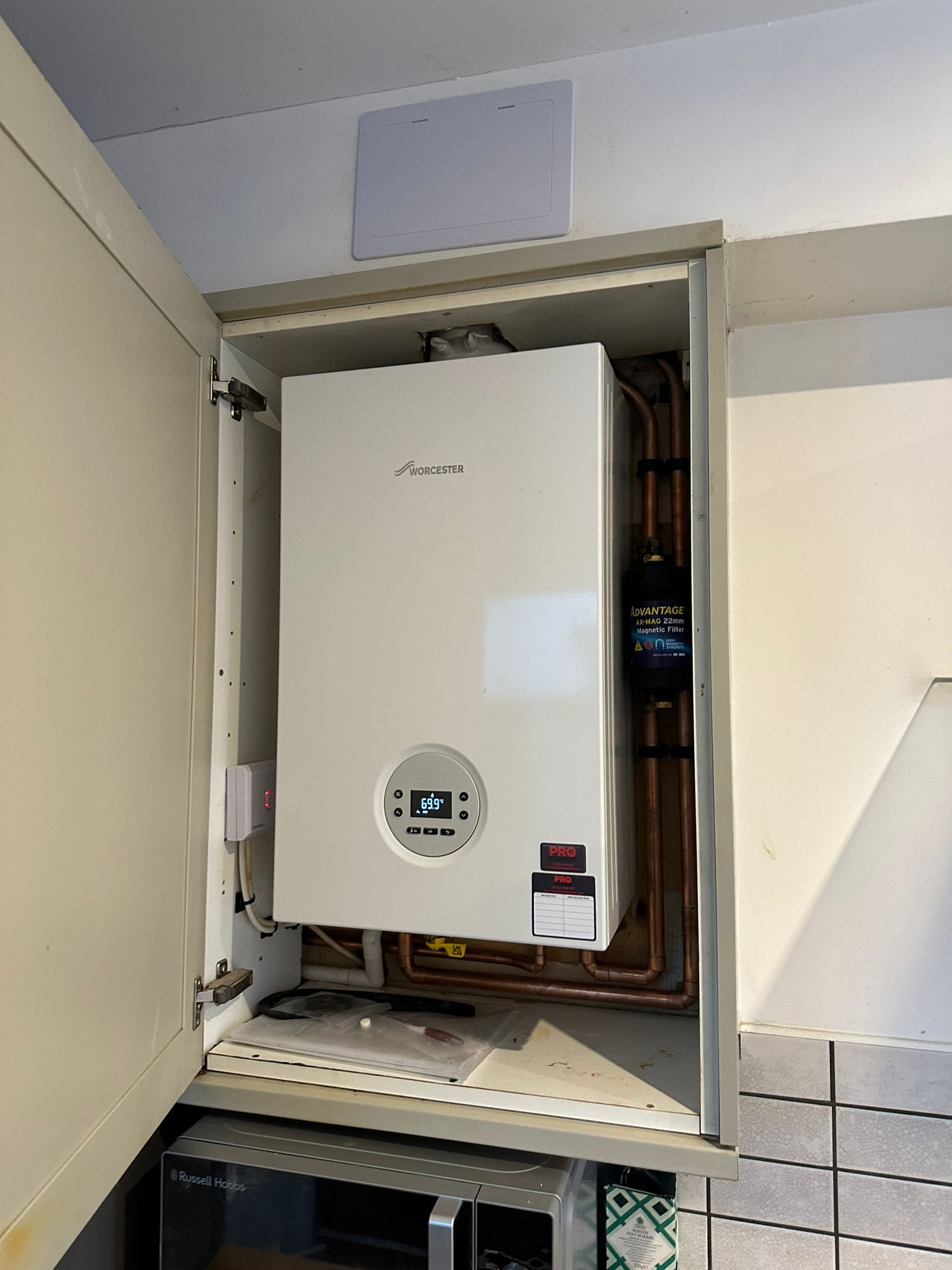
Heating that appears to switch itself on can be confusing, particularly when the controller clearly says off. Sometimes a display has been misunderstood or a protective function is operating. Sometimes heat intended for hot water is finding its way into radiators, or a control component is failing to stop demand. The timing and extent of the warmth help separate those possibilities.
Do not begin by turning every valve, disconnecting a controller or opening the boiler. This guide distinguishes unexpected space heating from ordinary pump activity and brief residual warmth. It explains which owner settings to check and what information helps an engineer investigate an unwanted heating demand.
Decide what has actually come on
A boiler noise or illuminated display does not necessarily mean the radiators are being heated. The pump may continue after a demand ends, or the appliance may respond to a hot tap. Touching a nearby pipe can also reveal residual heat from an earlier cycle. Observe whether rooms become warmer and whether several radiator panels gain heat, rather than relying only on a sound.
Make a note of when the heating was turned off and how long the warmth continued. A cooling radiator differs from one becoming hotter again. Do not touch surfaces that may burn, and do not remove insulation to follow the heat. That basic distinction keeps a normal operating feature from being mistaken for a continuous heating fault.
Off can mean different things on different controls
A programmer may show separate states for heating and hot water. A room thermostat set lower is not the same as disconnecting every heating demand, and an app may have an override that differs from the wall controller. Follow the instructions for your actual equipment rather than assuming one off icon describes the whole system.
Check the displayed time, active schedule, manual override and any holiday setting through the user menu. Where several people use an app, ask whether someone changed a setting. Record the control mode before altering it. Our smart thermostat guide explains control arrangements; it does not replace the instructions for the precise controller installed in your home.
Hot water heating can be the trigger
On systems with a cylinder, the boiler may run to replenish stored hot water while the space heating programme is off. If radiators noticeably warm at the same time, heat may be reaching an unintended circuit. Depending on the arrangement, a valve, control signal or circulation issue may need assessment. The observation alone cannot identify the failed component.
Record whether unwanted radiator warmth coincides with the cylinder schedule or follows a hot water demand. Do not manually latch motorised valves, expose their wiring or change pipework to stop it. Those parts manage how heat is directed through the system. Clear timing information is more helpful than a guessed valve name when arranging a heating engineer visit.
Some appliances respond to frost risk
Frost protection can cause activity even when normal comfort heating is not scheduled. What it protects, which sensors it uses and whether circulation occurs depend on the appliance and installation. A frost function within a boiler may not protect all exposed pipework elsewhere in the building. It should not be treated as a universal safeguard for the entire house.
If unexpected activity occurs in very cold conditions, check the owner instructions for protective modes. Do not disable safety or frost features merely to make the boiler silent. Equally, do not assume repeated room overheating is normal frost protection. Record the weather, display message and affected radiators so the purpose and behaviour of the function can be checked against the equipment guidance.
Residual circulation differs from sustained demand
After a heating cycle, a pump can continue moving water to manage remaining heat. Pipes and radiators may stay warm while that energy dissipates. This is different from a burner repeatedly firing and rooms becoming warmer long after the schedule ended. The length and pattern of the activity should be compared with the appliance's described operation.
Some installations also include an intentionally arranged heat path that should not be altered casually. Closing an unfamiliar valve can interfere with circulation rather than cure unwanted heating. Note which radiator warms first and whether the warmth is slight or widespread. Explain the pattern to the engineer without changing lockshield settings or assuming every warm towel rail has a faulty thermostat.
A radiator valve does not switch off every heat source
A thermostatic radiator valve responds to temperature around that radiator. It does not generally replace the system's boiler demand controls. A room with its radiator valve turned down can still be affected by heat from pipes, adjacent rooms or a valve fault. Conversely, turning down all radiators does not establish that the central control has ended boiler demand.
Our radiator valve explanation covers their separate roles. If one radiator remains hot while the rest cool, report that local symptom. If the whole system heats against the schedule, the wider controls need attention. Avoid removing heads or forcing spindles in an attempt to eliminate every warm surface before the underlying demand has been understood.
Faulty controls require professional testing
A stuck valve, incorrect wiring or a faulty control signal can leave heating active unexpectedly. Testing those possibilities requires understanding the system layout and safely checking components. It is not a homeowner exercise involving live terminals or bridging contacts. A wireless controller issue may also need diagnosis beyond changing an accessible battery according to the user instructions.
Mention recent thermostat replacements, app changes, cylinder work or power interruptions. A problem starting after a change is useful evidence, though it does not prove the new part is defective. Thermostat repair and boiler assessment can distinguish control and appliance faults without choosing a replacement product before the cause is established.
Provide a timeline of the unwanted warmth
Write down the scheduled off time, any hot water programme, outdoor conditions and which radiators warm. Note what the boiler display shows if visible. Include whether the burner appears active or you hear only circulation, but avoid removing covers to confirm it. If operation is unsafe, water is leaking near electrics or there is a suspected gas issue, stop normal investigation and seek safety advice.
For persistent unwanted heating, send Pro Plumbers the control details and timing record or call 01732 444555. Describe the unwanted behaviour rather than asking for an assumed component replacement. That makes it easier to establish whether an intended operating feature, an incorrect setting or a genuine fault needs attention.