
Pro Plumbers · 24 November 2026
Why does my heating only work when the hot water is on?
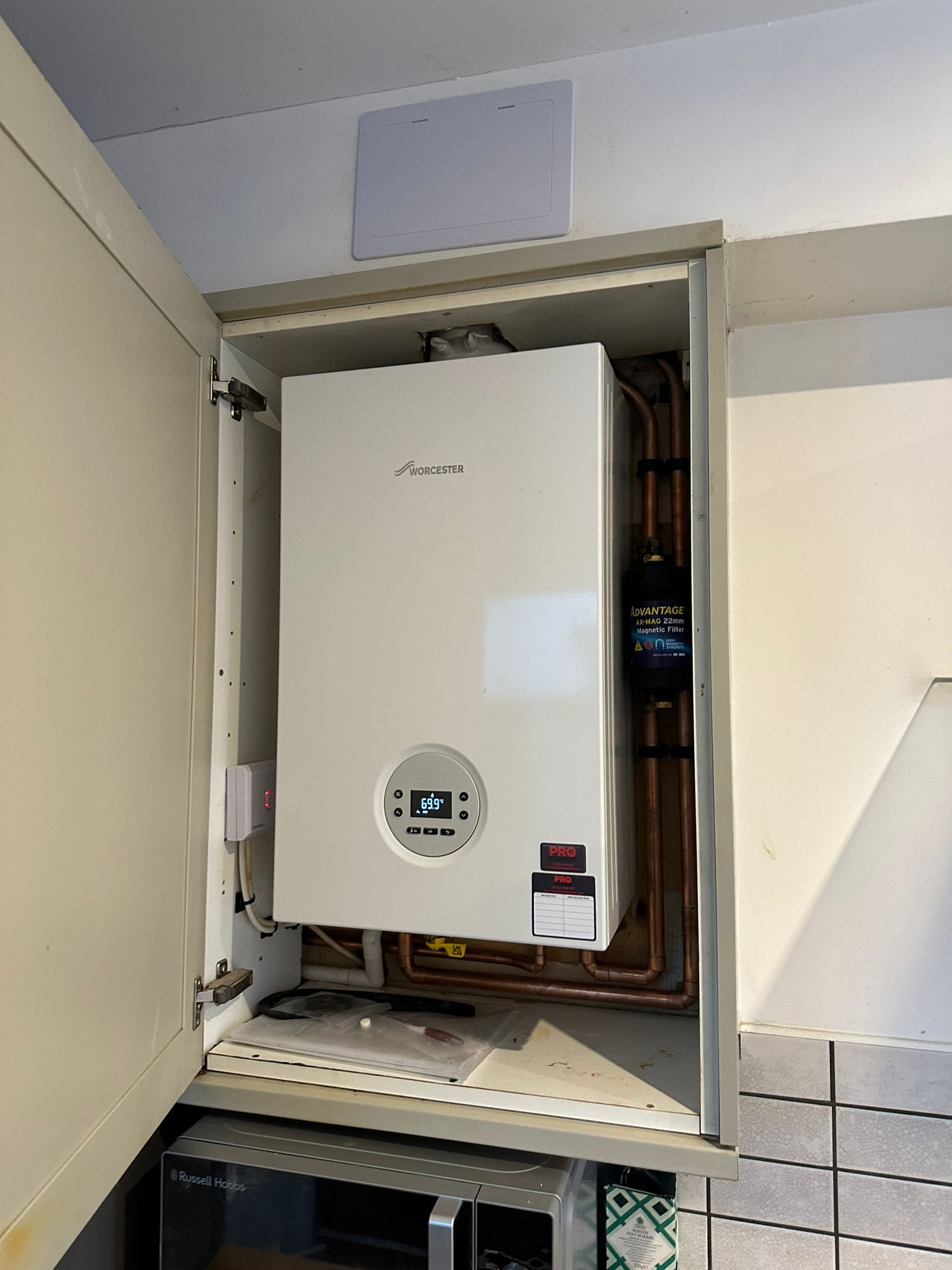
If radiators stay cold when heating is requested but warm as soon as cylinder hot water heating is also selected, the two demands may not be operating independently as intended. The symptom can involve the controls, a motorised valve or the installation arrangement. It is not proof that the boiler cannot produce enough heat.
This guide concerns requested heating that seems dependent on another control channel. It is different from radiators warming when the heating is meant to be off. Record the exact sequence without opening the boiler or altering wiring. Using hot water demand permanently to obtain heating can hide the fault rather than resolve it.
Confirm what the hot water switch controls
In a home with a hot water cylinder, a programmer's hot water channel commonly requests cylinder reheating. That is different from opening a tap on a combi, which normally creates domestic hot water demand directly. A control marked water does not mean the same arrangement exists in every home.
Check your documents and the visible equipment you already recognise. Our combi, system and regular boiler guide explains those broad differences. Do not enter an inaccessible loft or remove boiler panels to establish the system type. If you are unsure whether there is a cylinder or what the programmer operates, include a photograph of the controls and describe the outlets affected instead of assuming a particular design.
Write down the two channels and room demand
Note which programmer channel is selected, whether the room thermostat is requesting heat and whether the boiler shows an operating indication. A heating channel set to on still depends on the other intended controls. A room already warmer than its target may not be requesting space heating at all.
Make observations during ordinary use rather than rapidly switching between modes. Record whether hot water demand starts the boiler and whether the radiators then begin warming. Let the system response be described as a sequence, not simply heating broken. The external display and programmer screen can help an engineer understand which demand is present without any owner opening electrical terminals or trying to follow live wiring.
Some control arrangements intentionally link the demands
Older or particular installations can have operating arrangements that differ from modern independent channels. A programmer may also be configured for a system type in which heating and hot water cannot be selected in the same independent way. Whether that arrangement is correct depends on the actual system, not the labels on the front alone.
If the home has always behaved this way, say so. If it previously heated independently and now does not, that is a different starting point. Do not change an installer configuration because another household has a separate-channel programme. A suitable assessment should establish how the system was designed and whether its current operation matches that design before treating the pattern as a failed component.
Motorised valves can affect where demand leads
A cylinder-fed installation may use motorised valves to direct water and communicate the intended heat request. A valve that fails to move or signal correctly can produce a pattern in which one demand works and another does not. Different valve layouts can produce similar complaints, so appearance alone does not establish the cause.
Leave actuators, manual levers and electrical covers untouched. Do not hold a valve open with a wedge or bridge a terminal to make the boiler fire. Our heating engineer service is relevant to system assessment. Describe any safely audible change near the controls without touching hot parts or assuming that every click proves a valve has reached its required position.
A programmer or thermostat problem can look like a valve fault
The heating demand may not be reaching the intended parts of the system because of a control fault, compatibility issue or setting. A cylinder demand that works can make the whole boiler appear healthy while the heating control path still needs checking. That does not establish whether the fault is mechanical, electrical or a user setting.
Check only owner-access controls described by their manuals. Note any blank display, wrong time, unusual channel indication or recent battery change where the device uses owner-replaceable batteries. Our thermostat repair page gives relevant service information. Do not buy a replacement thermostat as the first response merely because increasing its target fails to start the boiler independently.
Keep the opposite symptom separate
Heating that operates only with cylinder demand is not the same as heating that starts unexpectedly when switched off. The two complaints may involve similar system parts but require different observations. Our unwanted heating guide addresses that other pattern, including residual warmth after a demand ends.
For this enquiry, record whether the radiator panels genuinely gain heat only after hot water is selected. A nearby warm pipe or brief pump sound is less specific. Avoid touching dangerously hot surfaces. If only one radiator stays cold while the others respond correctly, make that clear: a local emitter problem should not be confused with failure of the whole heating channel.
Do not use permanent overrides as a repair
Leaving cylinder demand selected solely to obtain space heating changes normal operation and may obscure when the fault occurs. Do not defeat a cylinder thermostat, alter temperature limits or bypass boiler protections. Hot water safety and intended system control should not be sacrificed to make radiators warm temporarily.
Use only permitted owner modes while seeking specific advice for the installation. If there are fault codes, water leaks, burning smells or damaged electrical parts, report those first and stop investigating around the equipment. A controls assessment should establish the cause before any instruction to continue operating is given. Repeated boiler resets are not a substitute for checking why the separate heating demand is ineffective.
Explain recent changes and previous independence
Recent programmer replacement, thermostat work, cylinder work or a boiler change can be relevant even if the symptom appeared later. Provide the control models and any existing installation record. Mention whether independent heating worked previously and whether hot taps remain normal. Those details help establish the intended sequence and what may have changed.
Ask Pro Plumbers about heating that depends on hot water demand, or call 01732 444555. Send photographs of the visible controls with the channels shown, not exposed wiring. The next step can then focus on the real control arrangement rather than guessing that a bigger boiler, a power flush or a new radiator will create the missing independent demand.