Pro Plumbers · 6 November 2026
Combi, system or regular boiler: which suits your home?
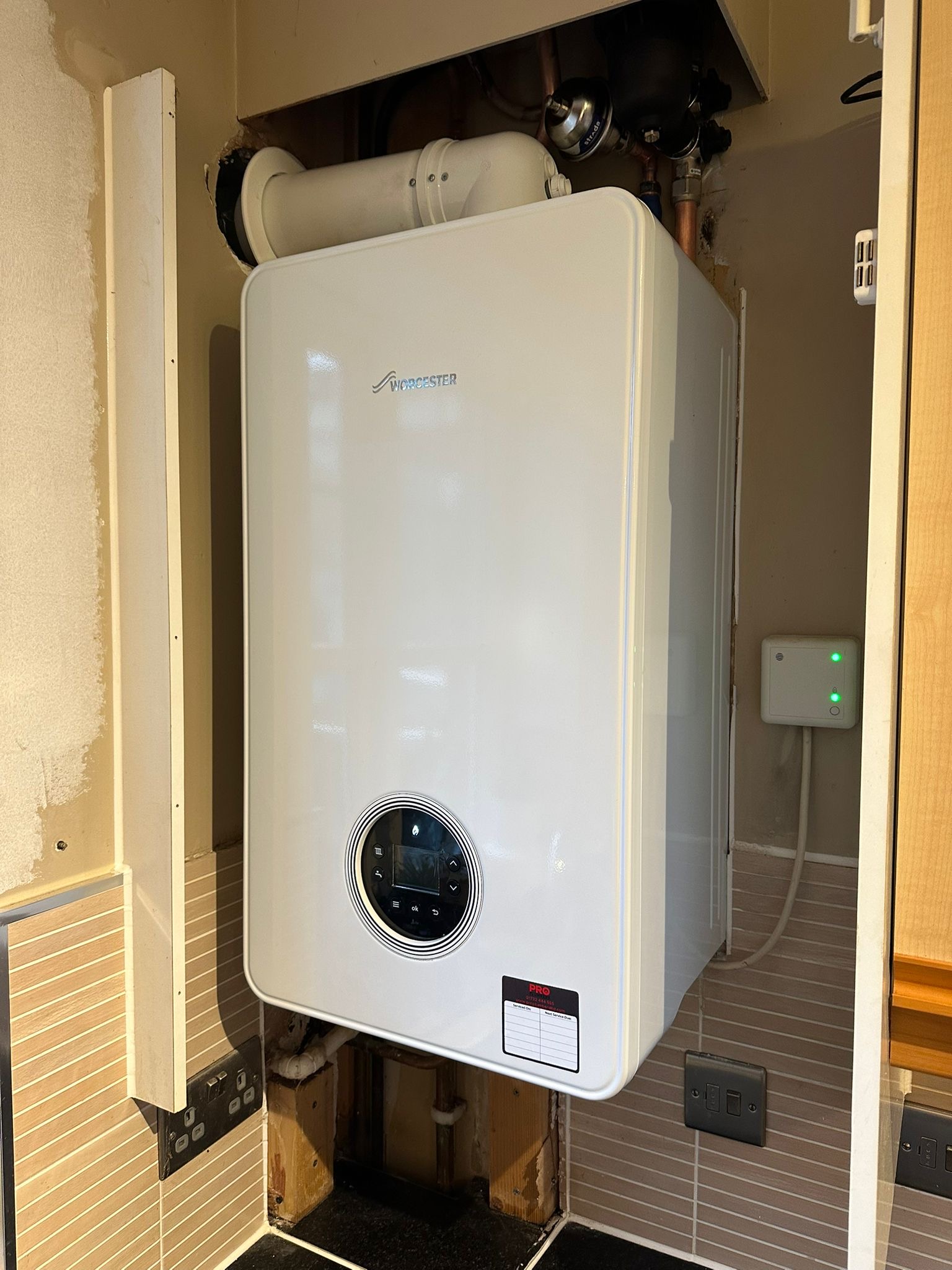
The three main boiler types each solve the same problem, heating and hot water, in a different way. A combi heats water as you use it. A system boiler heats a cylinder of stored hot water. A regular boiler, sometimes called conventional or heat-only, also heats a cylinder but usually works with a cold water tank and a feed and expansion tank in the loft. Rather than listing features, the clearest way to choose is to ask a few questions about your home and how you live in it.
Question 1: How many bathrooms, and how many taps run at once?
A combi delivers hot water to one outlet well, but its flow is shared when two taps or showers run together. In a flat or a smaller house with one bathroom, that rarely matters. In a home where two showers are often used at the same time, or a bath fills while someone else washes up, stored hot water usually copes better.
Verdict: one bathroom and modest demand points towards a combi. Two or more bathrooms in regular use points towards a system or regular boiler with a cylinder.
Question 2: Is there already a loft tank and cylinder?
If the house already has a cylinder in the airing cupboard and tanks in the loft, keeping a regular boiler can be the least disruptive option, because the pipework is already set up for it. Converting to a combi means removing the tanks and cylinder and changing pipe runs, which frees up space but adds work. Moving to a system boiler means the loft tanks can go while the cylinder stays, or is replaced.
Verdict: an existing regular setup in good order can stay as it is. If you want the loft and airing cupboard back, ask about converting.
Question 3: How good is the mains water pressure and flow?
Combis and unvented cylinders both draw on the mains supply, so they perform only as well as that supply allows. If water already trickles from the taps upstairs, a combi or unvented cylinder may disappoint. Our guide to low water pressure in the home explains some causes. A regular boiler with a vented cylinder relies on gravity from the loft tank instead, which can suit homes with a weak mains supply, although shower pressure may be lower.
Verdict: good mains pressure and flow opens up a combi or an unvented cylinder. Weak mains may favour a vented arrangement. An engineer can test this at the survey.
Question 4: Do you have room for a cylinder?
A combi needs only wall space for the boiler. System and regular boilers need an airing cupboard or similar space for the cylinder, and a regular boiler also needs loft space for tanks. If you are tight on storage, losing the cylinder is a real gain.
Verdict: little space favours a combi. A spare airing cupboard keeps a system boiler on the table.
Question 5: Gas or oil, and how do you want hot water stored?
Most boiler types are available for both mains gas and oil, though the choice of models varies. Homes off the gas main usually need an oil boiler fitted by an OFTEC registered installer; our oil boiler installation page covers that. If you want stored hot water at mains pressure, an unvented cylinder is common, and it must be fitted by someone with the G3 qualification. Our article on unvented cylinders and G3 explains how they work, and our hot water cylinders page covers installation and repair.
Verdict: fuel does not decide the type on its own, but it narrows the models available. Stored mains-pressure hot water usually means a system boiler with an unvented cylinder.
Question 6: Are you planning to extend?
An extension, a loft conversion with a new shower room or a growing family can all add demand. A boiler chosen only for today may struggle later. If changes are likely in the next few years, mention them at the survey so the boiler type and size allow for them.
Verdict: plans to add bathrooms usually point towards stored hot water. A small extension with a radiator or two may not change the type at all.
Putting the answers together
- Combi: one bathroom, good mains pressure, limited space, no wish to keep tanks.
- System boiler: several bathrooms, room for a cylinder, a wish to lose the loft tanks, good mains for an unvented cylinder.
- Regular boiler: an existing tank-fed setup in good order, weaker mains supply, or a preference to change as little pipework as possible.
Whichever way you lean, combis have their own quirks worth knowing about; our guide to no hot water from a combi boiler covers the common ones, and boiler pressure too high explains a sealed-system issue that affects combis and system boilers alike.
The type you choose also shapes the price, which our guide to what affects the cost of a new boiler explains. We are a Worcester Bosch accredited installer and we also fit Vaillant boilers. To talk it through, see our boiler installation page, call 01732 444555 or request a quote for a survey.