
Pro Plumbers · 29 October 2026
No hot water from a combi boiler: what to check first
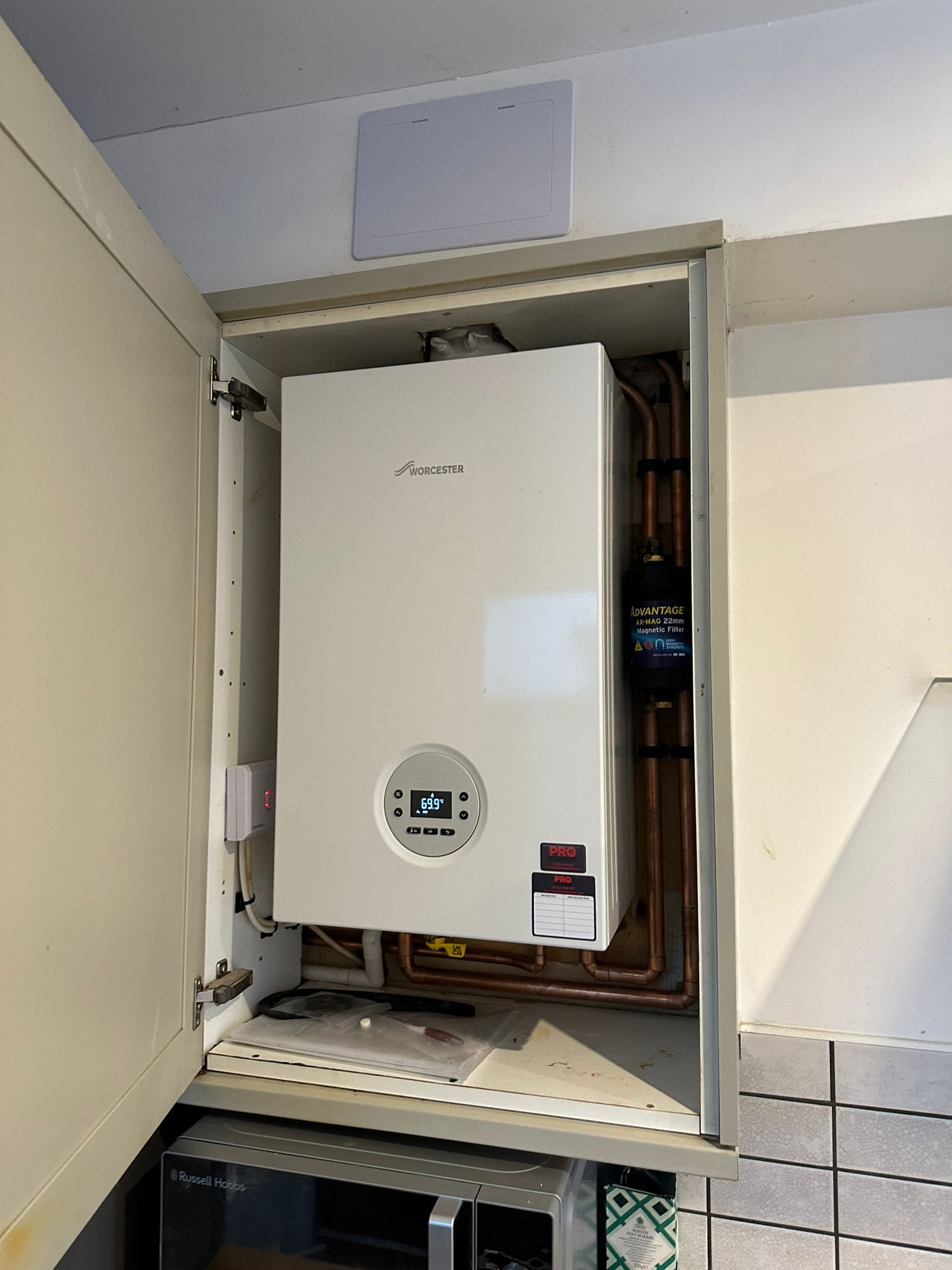
If a combi boiler heats the radiators but supplies no hot water, first check whether every hot tap is affected and whether the boiler responds when one opens. If neither heating nor hot water works, check power, the display and system pressure. Keep all checks external: a diverter valve or plate heat exchanger fault requires a Gas Safe registered engineer.
Separate a single-tap problem from a combi-wide fault
Try another hot tap carefully, keeping your hands clear until you know the temperature. Compare the kitchen and bathroom rather than relying on one shower. If other outlets get hot, a local tap cartridge, mixer or shower control may be responsible; the boiler is not necessarily failing to produce hot water.
If all hot outlets stay cold, note whether water flows normally or only trickles. Check whether the boiler's display changes when a hot tap is opened. Record what happens rather than opening the appliance or trying to operate internal switches. Our broader guide to boilers not heating water covers other arrangements; these checks focus on combis producing hot water on demand.
When both radiators and hot taps have gone cold
Check that the boiler's accessible power switch is on and that its display is illuminated. Review the timer and operating mode using the user instructions. On many combis, the heating timer does not prevent hot water on demand, so a heating schedule alone may not explain cold taps.
Look for a tripped circuit breaker or RCD only if the consumer unit is safely accessible and dry. Reset a tripped RCD only if it stays on; if it trips again, leave it off and arrange qualified electrical help. Do not remove electrical covers or keep resetting a device that trips.
Write down any display code before changing controls. Use the manufacturer's manual and our explanation of boiler fault codes and next steps to understand the warning. Only attempt a reset if the manual allows it, and stop if the fault returns.
Check cold pressure before attempting another reset
Read the heating-circuit pressure with the system cool and compare it with the boiler's specified cold range, commonly around 1–1.5 bar. Low pressure can prevent a combi operating, even though water still runs from the taps: the sealed heating circuit and mains hot-water supply are different circuits.
Repressurising is a homeowner task only where the manufacturer's instructions allow it and you can confidently identify the correct filling controls. Follow those instructions, close the controls afterwards and do not exceed the stated pressure. If pressure repeatedly falls, is already too high, or you cannot identify the controls, stop and book an engineer.
Cold weather and an accessible condensate pipe
In freezing weather, an exposed condensate pipe may freeze and cause a lockout affecting both heating and hot water. Only consider thawing if the pipe is positively identified, accessible from ground level and safe to reach. Do not climb, dismantle pipework or confuse it with a metal pressure-relief discharge pipe.
Gently apply warm—not boiling—water to the frozen section, keeping water away from electrics and watching for ice underfoot. Follow the manufacturer's restart instructions only once the blockage has thawed. If you cannot safely reach it, it remains blocked or the fault returns, leave further work to an engineer.
Heating works, but opening a hot tap changes nothing
Check the domestic hot-water temperature setting on the normal user controls. An accidentally reduced setting can explain lukewarm water. Avoid raising it excessively: water can scald, especially if a fault clears unexpectedly. Do not adjust installer menus or internal thermostats.
A combi needs a minimum water flow to recognise demand. Open one hot tap normally and observe whether the boiler responds; a very small trickle may not trigger it. If flow is weak throughout the home, compare cold taps too. Do not alter internal flow components or assume that increasing the temperature will fix poor flow.
If the boiler recognises demand but the water stays cold or fluctuates, possible causes include a diverter valve failing to direct heat correctly or a restricted plate heat exchanger. Sensors and other components can produce similar symptoms. These are possibilities for diagnosis, not parts to replace by guesswork. All internal checks and repairs need a Gas Safe registered engineer.
Give the engineer a clear hot-water symptom report
Arrange combi boiler repair when external checks do not restore hot water, faults recur or heating behaves unexpectedly during hot-water use. For complete loss of operation, our boiler breakdown service is also relevant. Report affected taps, flow changes, displayed codes and whether heating still works.
Suspect gas or carbon monoxide? Leave, opening doors and windows if safe, and call the National Gas Emergency Service on 0800 111 999 from outside. Do not use the appliance before a Gas Safe registered engineer checks it.
Call 01732 444555 or use the quote form for help with your combi's hot-water fault, including the observations you can safely make.