
Pro Plumbers · 29 October 2026
Low water pressure at home: causes, checks and practical fixes
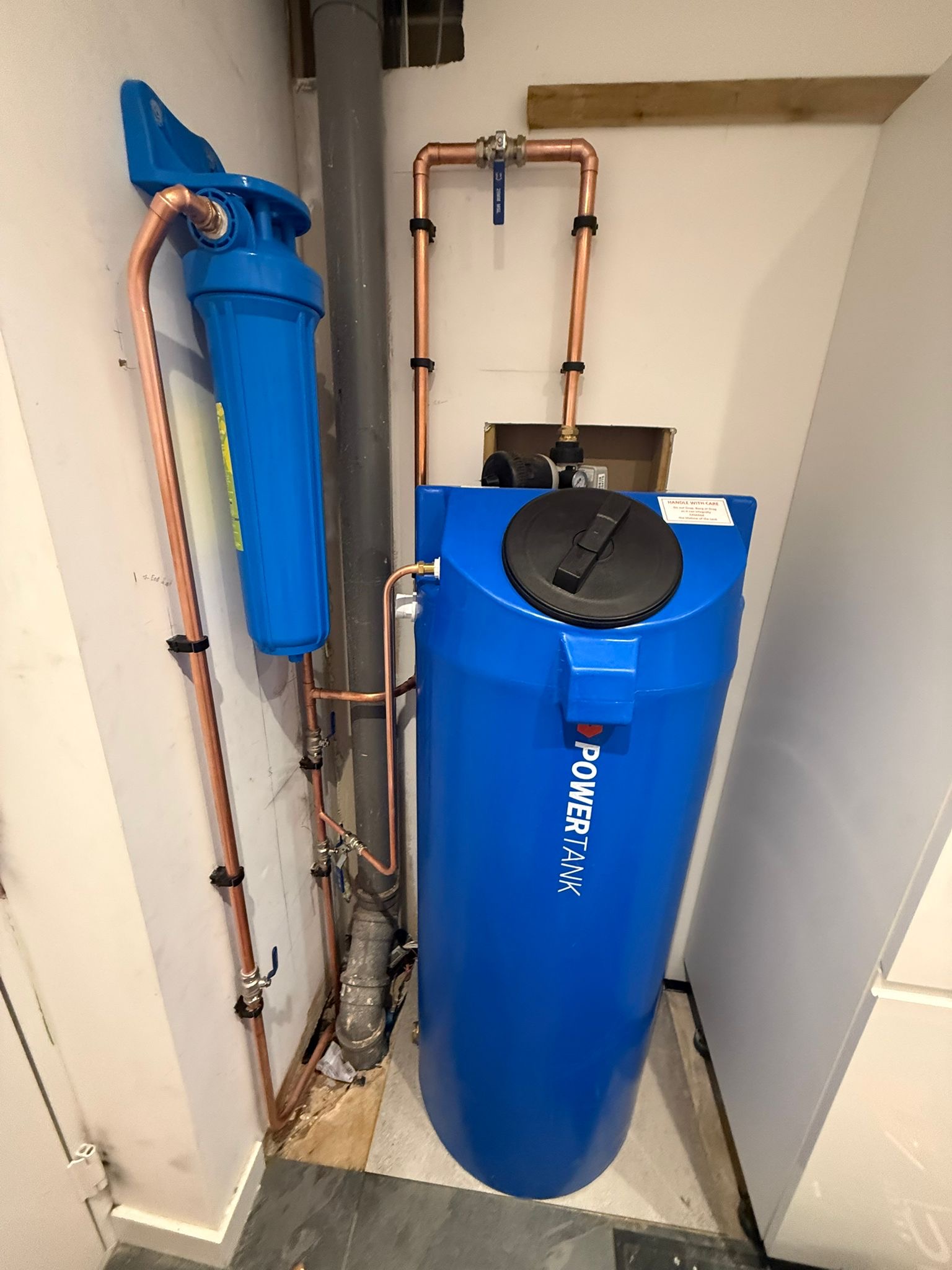
Weak taps can result from a restricted fitting, a supply problem, a leak or the way your hot water system works. Start by comparing outlets before considering replacement equipment. This guide concerns mains water pressure and flow at taps, not the pressure gauge on a boiler. For falling heating-system pressure, read our guide to a boiler losing pressure.
Map the weak flow before changing anything
Pressure is the force behind the water; flow is the quantity delivered over time. A tap can have disappointing flow even when the supply pressure is reasonable, because a valve or pipe restricts it. Notice whether the problem began suddenly, developed gradually or only appears during busy periods.
- Try the kitchen cold tap by itself, then compare other cold outlets.
- Compare hot and cold water at the same basin. Keep clear of hot discharge.
- Check whether one shower is affected or every outlet struggles.
- Repeat with appliances and other taps off, then note what changes when another outlet runs.
- Ask neighbours whether their supply has changed too.
A single weak outlet points towards a local restriction. Several affected homes suggest a network issue, planned works or an interruption rather than a fault inside your property. Different parts of Kent are served by Southern Water, South East Water or Thames Water: check your bill for the relevant water supplier and look for supply notices.
Check accessible valves without forcing old fittings
A stopcock left partly closed after maintenance can reduce delivery throughout the house. Our guide to finding and operating your main stop tap explains identification and safe handling. If the valve moves freely, check that it has not been left partly shut. Do not force a stiff spindle or disturb corroded joints.
Look at accessible service valves near an affected fitting, but avoid turning unfamiliar valves experimentally. If you see moisture around a valve, leave it alone and arrange a repair. Shared supplies and communal valves need particular care: do not interrupt another property's water.
Remove scale at the outlet, not inside the system
Limescale or trapped debris can obstruct tap aerators and shower heads. Where the manufacturer's instructions allow, remove an easily accessible aerator or detachable shower head and clean it using a suitable product. Protect finishes, rinse thoroughly and refit the original seals correctly. Never mix cleaning chemicals.
Stop if a fitting resists removal, is badly corroded or starts leaking. Do not dismantle a mixer cartridge or shower control simply to investigate poor flow. If cleaning the removable outlet restores delivery, there may be no reason to alter the wider installation.
Separate supply-pipe restrictions from hidden water loss
Older narrow supply pipes can limit the volume available when several outlets run. Galvanised steel may become internally restricted through corrosion; older lead supplies also warrant professional assessment. Pipe material, shared sections and ownership boundaries need checking before replacement is proposed. Do not cut or disturb suspected lead pipe yourself.
A concealed leak is another possibility, particularly with unexplained damp, running-water sounds or an unexpected change in consumption. With all outlets and water-using appliances off, movement on an accessible water meter can suggest water use or leakage, but is not a complete diagnosis. Toilets and storage tanks may refill unnoticed. Arrange water leak investigation rather than lifting floors or digging speculatively.
Why hot outlets may behave differently from cold taps
In a gravity-fed installation, a loft storage tank supplies some outlets. Available pressure depends on the vertical distance between the stored water level and the outlet. A shower close beneath the tank may therefore feel weak even when the kitchen mains cold tap runs well. Raising tanks or changing pipework requires a properly assessed design.
A combi boiler depends on incoming mains flow and has a limited hot-water delivery capacity. Sharing that supply between outlets can reduce performance. Turning the boiler pressure filling loop is not a remedy for weak taps. If the hot side alone has deteriorated, a competent plumber can assess the water path; boiler internals require a Gas Safe registered engineer.
Choose an improvement only after pressure and flow testing
A plumber can measure static pressure, pressure while water is running and available flow, then consider restrictions and simultaneous demand. A timed container test at a cold tap can record symptoms, if done without splashing or overflowing, but it cannot replace a pressure measurement or establish which upgrade is suitable.
Do not connect a booster pump directly to the mains as a DIY fix. Water regulations restrict these connections, and some arrangements require the water supplier's consent. Any pump, break tank or stored-water solution needs professional selection and compliance checks. An unvented cylinder also needs adequate mains pressure and flow; it does not create a stronger supply. Cylinder assessment and work should be handled by a G3-qualified engineer.
For measured advice and repairs to restricted or poorly performing plumbing, call 01732 444555 or describe which outlets are affected using our quote form.