
Pro Plumbers · 24 November 2026
Can I heat my towel rail without turning on the radiators?
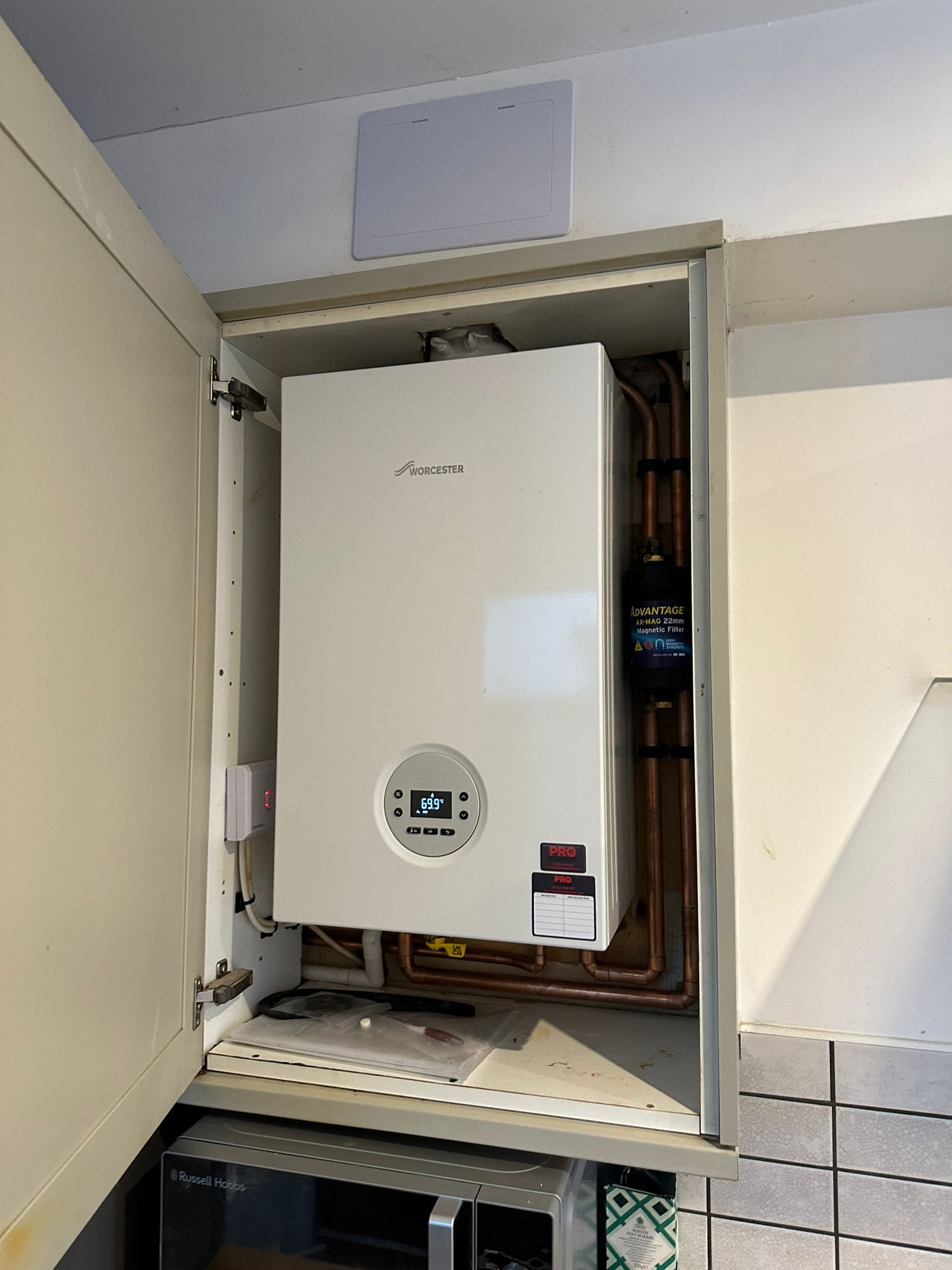
When the main heating is switched off for warmer weather, a bathroom towel rail may stop warming even though hot water is still available at the taps. That can be normal for the way the rail is connected. A towel rail fed only from the radiator circuit does not receive heat simply because the home has a working boiler or a hot water cylinder.
The question is how to obtain summer towel warmth without heating the rest of the home, not how to repair a cold radiator. Establishing the heat source prevents unnecessary bleeding, boiler adjustments and replacement parts. It also helps you discuss an improvement without assuming a control change can create a separate heating circuit.
Identify whether the rail uses water, electricity or both
A conventional water-filled towel rail has pipe connections carrying heating-system water. An electric rail has its own electrical heating arrangement. Some designs combine a water circuit with an electric element, but the appearance of the rail alone does not establish that it is designed for both methods.
Check the installation documents and safely visible labels. Do not remove electrical covers or assume a decorative cap conceals an element you can simply turn on. Visible pipe valves suggest a water connection, but the complete route still matters. A photograph showing the rail, its connections and any existing user control is more informative than asking whether all towel rails ought to heat in summer.
A radiator-circuit rail follows space heating demand
If the rail belongs to the same circuit as the other radiators, turning space heating off can leave it cold. Hot taps on a combi create domestic hot water demand, not a general request to heat every radiator. A stored hot water system can also heat its cylinder without circulating through a rail on a separate circuit.
This is a control and connection question rather than evidence that the rail is broken. Recall whether it previously heated with space heating off, or whether summer warmth has never occurred. Those two histories call for different discussions. Do not increase boiler temperatures to try to push heat into an inactive circuit. Higher settings do not change how the pipework and controls distribute demand.
Some installations have a different summer arrangement
A towel rail may be connected so that it warms during a hot water heating cycle, or it may belong to a separately controlled heating zone. That depends on the designed installation. It should not be assumed because another house, or a previous bathroom in the same home, behaved differently.
Existing controls and pipe routes need checking before anyone proposes changing that arrangement. Our unexpected heating guide examines unwanted warmth, which is the opposite complaint. Here, the important distinction is whether warmth was intended but has stopped, or was never provided without space heating. Keep the two symptoms separate when describing what you want the bathroom to do.
Use only the controls already intended for the rail
An existing independent user control may have a summer schedule or operating mode described in its instructions. Check that information without changing service settings or unfamiliar wiring. A room thermostat requesting heat can activate more than the bathroom if the rail shares a zone with the rest of the home.
Do not turn every other radiator valve down as a universal way to create a towel-only heating system. Minimum circulation requirements, bypass arrangements and control positions vary. Closing emitters experimentally can affect the system rather than establish a safe operating mode. Ask how the current circuit should be used if you want bathroom warmth without heating the whole house.
Bleeding will not replace a missing heat demand
Air can prevent a rail heating properly when its circuit is active. It cannot make a cold, inactive circuit provide heat. If the rail warms normally during winter heating but remains cold only when that demand is off, releasing water or air is unlikely to answer the summer question.
Where air symptoms are genuinely present, our radiator bleeding guide explains owner checks and their limits. Do not repeatedly bleed a cold rail in the hope that hot water will eventually arrive. That can lose heating-system water and alter pressure while the real issue remains control arrangement. Record whether the whole rail stays cold or whether it develops a temperature pattern when normal heating runs.
Electric elements require a compatible rail and installation
Adding an element is not a matter of buying one that appears to fit a spare opening. The rail must be suitable, the water and electrical arrangement must follow the product requirements, and bathroom electrical safety needs to be considered. A combined system can have operating restrictions that do not apply to a purely water-heated rail.
Do not fit an element, alter wiring or close valves around a heated rail using generic online instructions. Trapped heated water can create unsafe conditions if the intended arrangement is misunderstood. Discuss the desired use and existing model first. Any proposal should establish suitability and required competent work, rather than treating a spare fitting as permission for conversion.
Think about the purpose before choosing a change
Warming towels and heating the whole bathroom are different objectives. The rail's output, available wall space and the room's heat loss affect what is suitable. Draping thick towels over it can also alter how warmth reaches the room, so a comfortable towel is not proof that the bathroom heating requirement is met.
Tell us whether the priority is occasional towel drying or regular room warmth outside the main heating season. Our heating engineer page and radiator repair page provide relevant service information. There is no need to assume a larger rail is the answer before the heat source and controls are understood. A replacement on the same inactive circuit would still need demand.
Describe the previous behaviour and intended result
Provide the rail model if available, photographs of the connections and controls, and whether it used to warm during hot water-only operation. Mention any boiler, cylinder or bathroom changes that coincided with the new behaviour. Avoid changing valve positions simply to supply a more dramatic symptom for the enquiry.
Ask Pro Plumbers about your towel rail's summer heating arrangement, or call 01732 444555. Explain what you would like to achieve as well as what happens now. That allows the discussion to distinguish a fault in an existing function from a proposed improvement. Leave electrical conversion and unfamiliar heating controls untouched while the suitability of the actual installation is assessed.