
Pro Plumbers · 27 November 2026
What do central heating pump noises mean?
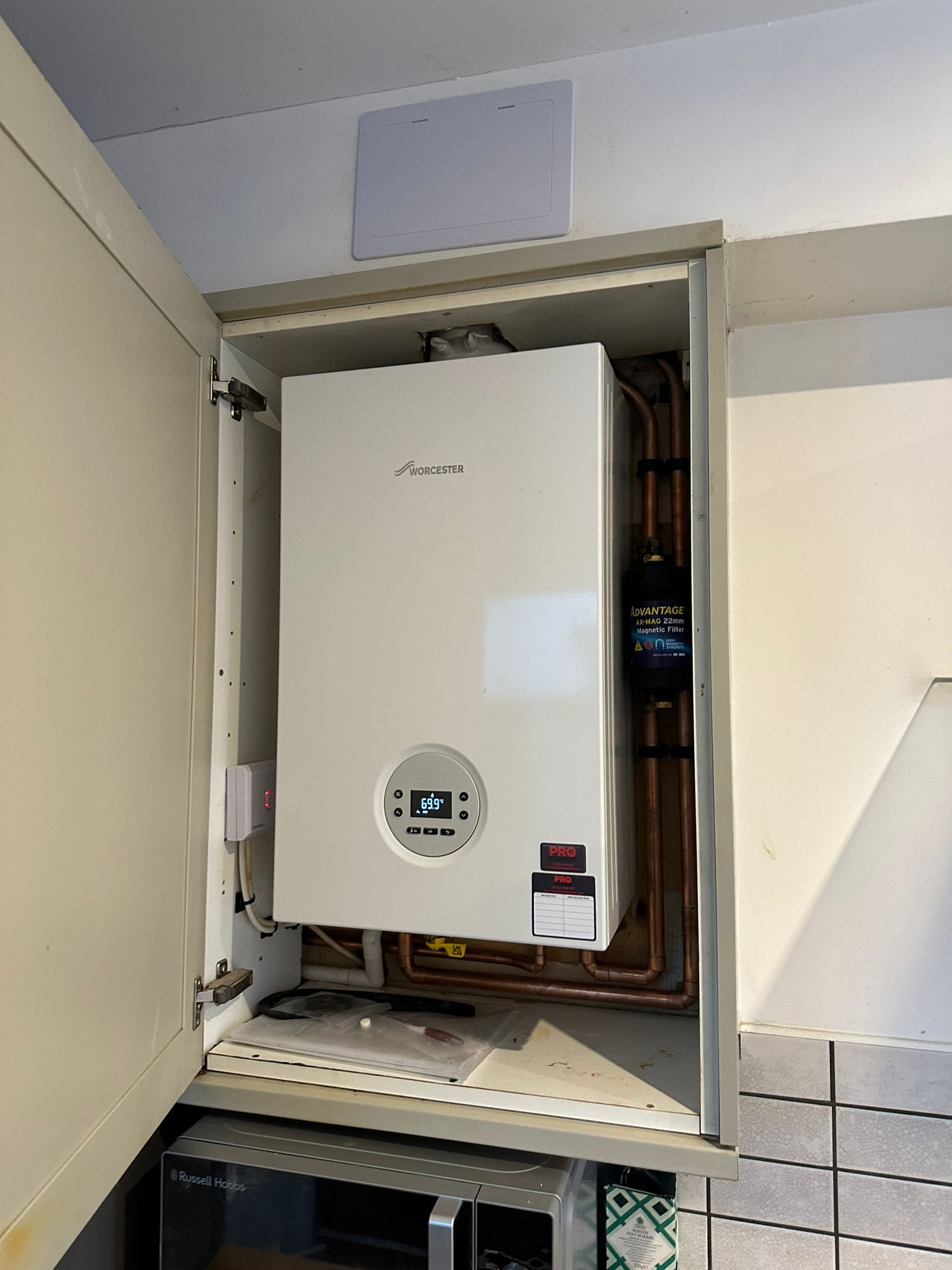
A heating pump helps move water around the heating circuit. Some sound during operation may be normal, but a new rattle, persistent hum or rough rushing noise deserves attention, especially if rooms are no longer warming properly. The sound alone cannot tell you whether the pump is failing or reacting to a problem elsewhere in the system.
Keep the pump and its controls intact while you make observations. Do not remove covers, loosen a central screw, change concealed settings or touch the unit to judge how hot it is. Hot water and powered equipment make hands-on investigation unsuitable for casual fault-finding.
Establish whether the noise really comes from the pump
Sound can travel along heating pipes and through cupboards, floors and walls. A vibration heard beside a pump may originate at a nearby valve, a pipe support or the boiler. Conversely, a pump within a boiler may not be visible at all. Do not remove appliance casing to get closer to the source.
Listen from a normal, safe position and note the broad location and character of the sound. A short recording can help explain an intermittent noise without reproducing it through repeated heating cycles. Tell the engineer if the sound is loudest at one radiator or cupboard, but avoid presenting that location as a confirmed diagnosis.
A steady hum means more when circulation changes
A low, consistent operating sound may simply be more noticeable in a quiet home. A new or much louder hum, particularly when radiators remain cold, needs a different assessment. It may be associated with restricted movement, a pump struggling to start or vibration transmitted through the installation. These possibilities cannot be separated reliably by listening alone.
Record whether the heating demand is active and whether any radiators warm normally. If the boiler starts and stops while heat is not reaching rooms, include that detail. The short cycling guide explains another observable pattern, but do not assume cycling proves that a replacement pump is needed.
Gurgling can involve air as well as pump operation
Air moving through a heating circuit can create gurgling and interfere with circulation. The reason air is present matters, particularly if the noise repeatedly returns. Recent work, water loss or another system issue may need investigation. A pump can be where the sound is most noticeable without being the original source of the problem.
Do not loosen the pump body or use a screw on the pump as an improvised vent. If radiators have their own symptoms, the radiator bleeding guide describes a separate subject with its own limits. Persistent pump-area noise should be assessed as part of the whole circuit rather than addressed by repeatedly releasing water or air.
Rattling and vibration can travel through rigid pipework
A rough rattle may be linked to wear, debris, unsupported pipework or contact with surrounding materials. The noise heard in a bedroom can differ from the sound near the equipment because the building transmits and amplifies vibration. This makes an accurate description of where and when it is heard more useful than guessing the damaged part.
Do not wedge objects against the pump, tighten unfamiliar fittings or wrap it in insulation to silence it. Covering equipment can interfere with its intended operation and conceal leakage. An engineer can inspect supports and connections while also checking circulation. Our heating engineer page is relevant when the source has not yet been established.
Rushing or gravel-like sounds need system context
A harsh rushing sound can relate to flow conditions rather than a loose component. Valve positions, restrictions and the way the circuit is configured can influence what the pump experiences. A gravel-like sound may have several explanations, so a household description should not be treated as a technical diagnosis or permission to alter the equipment.
Leave speed and control settings as they are unless the appliance instructions explicitly identify an appropriate user function. Changing a pump setting can shift symptoms elsewhere without solving their cause. Note whether the noise appeared after radiator work, a valve change or a service, and pass that history to the engineer so the installation can be reviewed as a connected system.
Connect the noise with the pattern of room heating
List which rooms warm normally and which do not. A radiator that stays cold, a boiler that stops unexpectedly and noisy pipework together give a more useful picture than a recording alone. Note whether hot water heating is also affected if it shares the circulation arrangement. Do not force valves or alter multiple controls to build a test sequence.
Cold areas on radiators can have several causes. The guide to radiators cold at the bottom explains why a symptom does not prove a particular remedy. A pump replacement or system cleaning should follow assessment rather than being selected solely because another household had a similar noise.
Know when to stop using the heating
If there is leakage, a burning smell, smoke or severe overheating, stop using the heating through normal accessible controls if safe and seek urgent professional advice. Stay away from wet equipment and do not touch switches affected by water. A pump continuing to make noise does not mean circulation is adequate or that leaving the system running is harmless.
For a gas smell or suspected carbon monoxide exposure, leave the property and obtain emergency assistance. Gas boiler investigation, including work on an internal pump, must be undertaken by a Gas Safe registered engineer. The boiler repair service page is relevant to non-emergency appliance faults, but an online message should never delay action on an immediate hazard.
Prepare a concise history for the heating engineer
Useful details include when the sound first appeared, whether it happens at startup or throughout operation, and whether it changes as rooms warm. Include recent work and any visible error message. A photo from a safe distance can identify an external pump or show where the sound seems loudest without exposing any components.
When you arrange an assessment, describe both the noise and its effect on heating or hot water. Avoid restarting a system already stopped for safety just to capture a better recording. The aim of the visit is to establish whether the issue lies with circulation, controls, pipework or the pump itself, then explain the appropriate next step.