
Pro Plumbers · 24 November 2026
Why does my boiler keep starting and stopping?
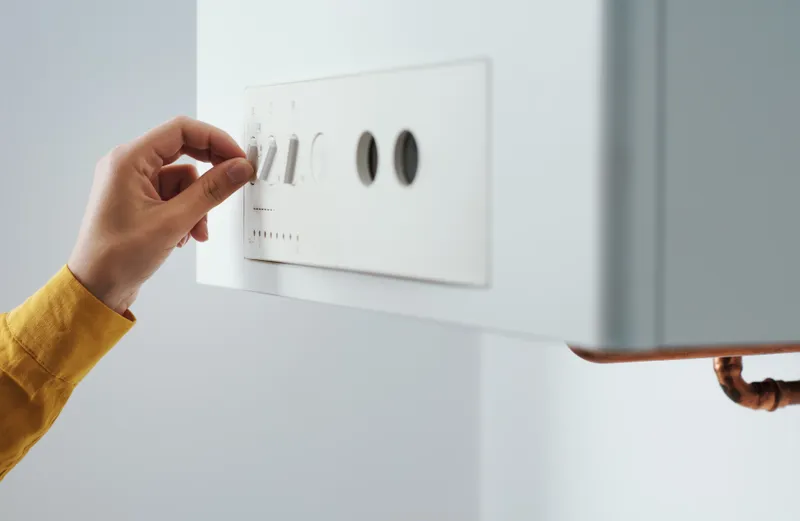
A boiler does not have to burn continuously throughout every heating period. It can stop when the required temperature is reached and start again as demand changes. Short cycling describes a pattern of repeated brief firing that is not well matched to the system's need for heat. The important distinction is between expected control behaviour and a pattern associated with poor comfort or a fault.
There is no single household stopwatch test that diagnoses every boiler. Appliance design, active radiators, controls and weather all affect operation. This guide explains how to describe repeated starting and stopping without changing technical settings, dismantling the appliance or assuming that every pause means a breakdown.
Watch the heating result as well as the burner
Begin with whether the home is warming as expected. A boiler that pauses while rooms remain comfortable presents a different situation from one repeatedly stopping while radiators stay cold. Note whether the pattern occurs during heating, hot water use or both. Those demands involve different operating conditions and should not be combined into one vague complaint.
The display may distinguish flame activity from pump operation, but the meaning of symbols depends on the model. Use the owner instructions and observe externally. A pump sound after the flame stops may be normal circulation rather than another firing cycle. Do not remove the casing or repeatedly reset the appliance just to make its sequence easier to watch.
A small active circuit can absorb less heat
When most radiator valves are closed, the amount of heat the active circuit can release is reduced. If the boiler's minimum firing output is greater than that demand, water temperature can rise quickly and the burner may pause. This is one possible explanation for cycling in milder weather or when only a small part of the house is being heated.
That does not mean you should open or close every valve indiscriminately. The circuit's design, bypass arrangement and controls need to be considered together. Record which rooms are normally active. An engineer can assess whether the appliance and operating pattern are well matched, instead of using a single valve adjustment to hide a more general design issue.
Circulation problems can make water heat too quickly
If water is not moving properly through the heating circuit, heat may remain near the boiler rather than reaching radiators. Restrictions, air or a pump problem can contribute. The appliance may then stop heating according to its controls or protections. The same visible start-stop pattern can therefore arise from poor circulation as well as a low demand.
Report uneven radiator temperatures, unusual noises and any fault code. Our cold radiator guide covers symptoms elsewhere in the circuit. Do not assume a chemical clean or a new pump is automatically required. A circulation assessment should establish what is restricting heat delivery before a treatment or component replacement is recommended.
Control instructions can create a different cycling pattern
Some room controls deliberately switch heat demand in intervals to manage comfort. Other arrangements communicate a varying heat request to the boiler. Their behaviour depends on compatibility and configuration. A cycle that appears unusual after fitting a new thermostat may therefore require checking the controller setup rather than deciding that the boiler itself has suddenly failed.
Note the controller model and whether the pattern began after a replacement, schedule change or wiring work. Only use owner-accessible settings described in the instructions. Do not change installer parameters or bridge terminals to force continuous running. Thermostat repair assessment can consider the demand signal and its relationship with the boiler before choosing a remedy.
Temperature choices influence heat delivery
The heating water temperature selected for the system affects how quickly radiators deliver heat and how the boiler responds. A suitable choice depends on the building, emitters and control arrangement. There is no universal display value that cures repeated cycling for every home. Turning a setting sharply upwards or downwards can create new comfort problems without identifying the cause.
Where the owner instructions permit an adjustment, understand exactly which setting it is and record the original value. Do not alter stored hot water settings, service menus or combustion parameters as a cycling experiment. If you are unsure how heating and hot water controls interact, leave them unchanged and provide photographs of the accessible display when requesting advice.
Repeated starts during hot water use need separate reporting
A combi operating for a hot tap is responding to flowing domestic water rather than a radiator circuit. Very low or unstable draw-off can contribute to changes in firing, but internal faults can produce similar behaviour. A shower mixing issue and a boiler hot water issue may also appear connected even when only one part is responsible.
Record whether a normal hot tap behaves differently from the shower and whether the water temperature changes with the starts and stops. Do not keep running a scalding outlet to collect evidence. A boiler repair enquiry should specify that the pattern is during hot water use, because advice about radiator demand may not apply to it.
Noise, lockouts and leakage change the urgency
A boiler that repeatedly locks out, leaks or makes a new severe noise needs assessment rather than ongoing experiments with the schedule. Stop using the appliance where water is reaching electrical parts or operation appears unsafe. Do not repeatedly clear a fault to keep it running. Copy any displayed code and describe the point in the cycle when it appears.
Our banging boiler guide discusses another symptom that can accompany poor heat transfer. Noise alone does not identify the cause of cycling. Internal inspection of a gas appliance belongs with an appropriately qualified Gas Safe registered engineer, not a homeowner following a component replacement tutorial.
Keep a concise operating record for the engineer
Useful notes include the boiler model, controller type, active rooms, whether heating or hot water triggers the pattern and whether comfort is affected. Mention any recent draining, radiator changes or service work. A brief observation from normal operation is enough; you do not need to spend a whole evening counting every start or trying to provoke a fault.
Pro Plumbers offers heating engineer assessment and boiler repairs. Send us the operating pattern and equipment details or call 01732 444555. The aim is to distinguish expected cycling from a control, sizing or circulation problem before changing the system, rather than treating repeated starts as a diagnosis in themselves.