Pro Plumbers · 6 November 2026
What affects the cost of a power flush
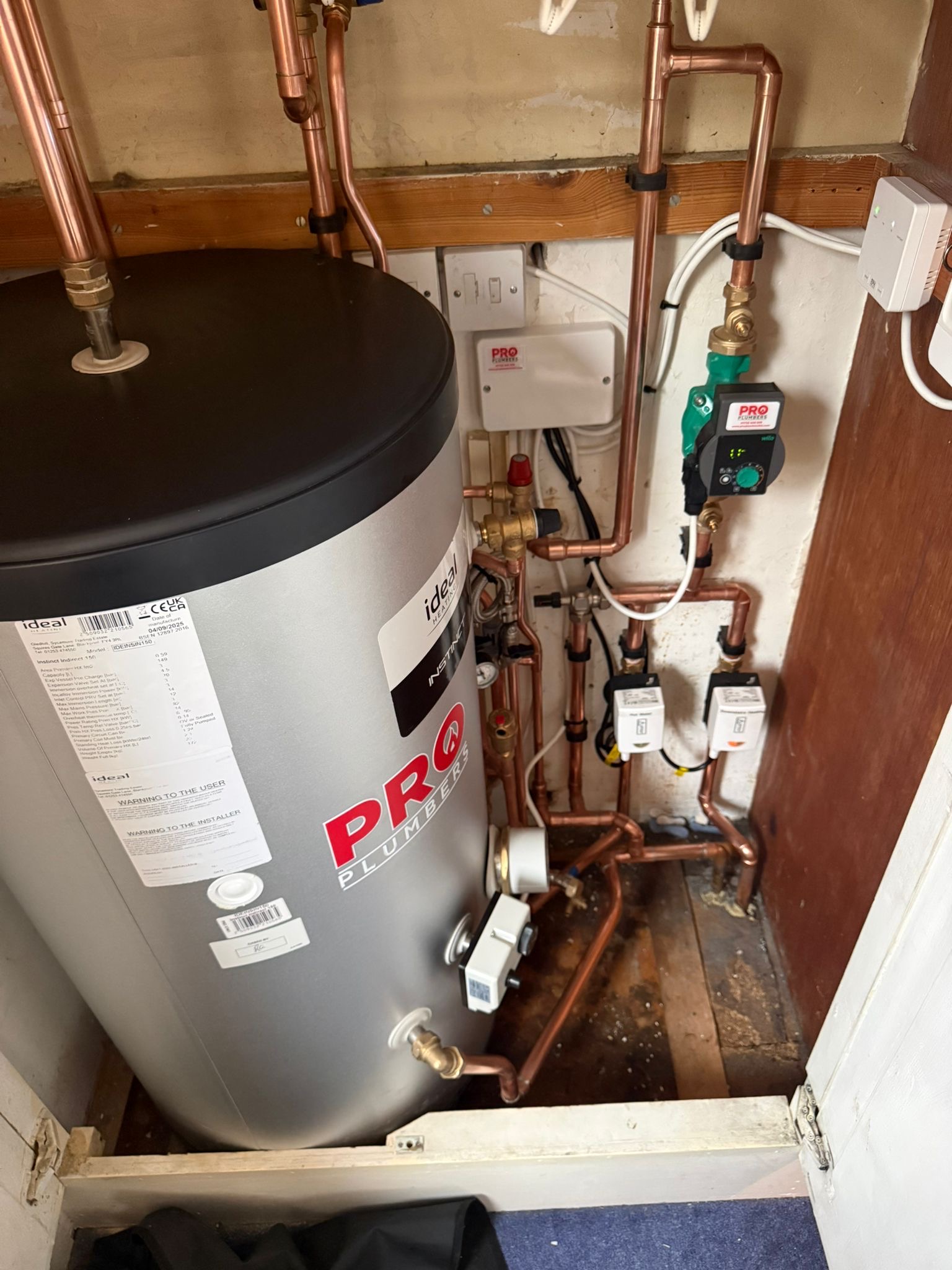
A power flush pushes water and cleaning chemicals through the heating system at a high flow rate to shift sludge, rust and debris out of the radiators and pipes. If you have already read our guide on whether your central heating needs a power flush and think it might, the next question is usually what the job will involve. The honest answer is that it depends on the system, and this article explains why.
Six things that change the quote
1. How many radiators there are
Each radiator is flushed in turn, so a house with many radiators takes longer than a small flat. Towel rails and any radiators in extensions count too.
2. How badly contaminated the system is
A system with light discolouration may clear fairly quickly. One that has been neglected for years, with black water and radiators cold at the bottom, may need more time and more chemical treatment before it runs clean. Our article on radiators cold at the bottom covers that symptom.
3. Access to radiators and pipework
Radiators behind fitted furniture, boxed-in pipes or a boiler in an awkward spot can slow the work down. Clear access helps.
4. Whether radiators must come off the wall
Sometimes a heavily blocked radiator needs removing and flushing separately. This adds time, and it may reveal that the radiator is past saving. If so, our radiator installation and replacement page explains the options.
5. The condition of valves
Old radiator valves can seize, weep or fail when they are turned after years untouched. A valve that fails during the flush needs replacing before the system can be refilled, which is extra work outside the flush itself.
6. Problems found with the boiler or pump
Sludge does not stay in the radiators. If the pump is struggling or the boiler heat exchanger is partly blocked, the engineer will explain what was found. Any repair is quoted separately.
Chemicals used during the flush and inhibitor added at the end are part of the job. Many systems also have a magnetic filter fitted to catch debris in future; ask whether a filter is included in any quote you receive.
Power flush or a gentler clean?
A full power flush is not the only way to clean a system. Where contamination is mild, a chemical clean, where a cleaner is circulated through the system for a period and then drained and replaced with clean water and inhibitor, may be enough. Where radiators are badly blocked or the water is thick with sludge, a power flush is often the right call because the higher flow moves debris that a gentle clean leaves behind.
Which one suits your home depends on what the engineer finds when they look at the system. It is not something to decide from a symptom alone, and a good engineer will tell you if a lighter clean is likely to do the job.
An example, described in words
Picture a three-bedroom house with an older boiler. The owner notices the upstairs radiators take ages to warm and two of them are cold along the bottom. When the engineer visits, they drain a little water from a radiator and find it is dark. Most valves turn freely, but one is stiff. The radiators are mostly easy to reach, apart from one behind a fitted wardrobe.
In that situation, the quote would reflect the number of radiators, the heavy contamination, the stiff valve that might need replacing, and the extra time for the hidden radiator. If the engineer also noticed the pump was noisy, that would be mentioned and priced separately. A different house with the same number of radiators but clean-looking water might need far less work.
Getting the system ready
A little preparation helps the day run smoothly. Move furniture away from radiators where you can, clear the area around the boiler and let us know about any radiators you rarely use or that have given trouble. If you already know a valve is stiff or leaking, say so when you book, because it may affect how the work is planned. Expect the heating and hot water to be off for part of the visit, and plan around anyone at home who feels the cold.
After the flush, the radiators should warm more evenly. Bleeding and balancing complete the job so heat reaches the far rooms. If some radiators still lag behind, that points to something other than sludge, such as a valve setting, and the engineer will explain what they see.
What to ask for in a quote
- Is it a full power flush or a chemical clean, and why?
- Are all radiators and towel rails included?
- What happens if a valve fails during the work?
- Is inhibitor added at the end?
- Is a magnetic filter included, or already fitted?
- Will radiators be balanced afterwards?
- How long will the heating and hot water be off?
How we price it
We look at the system first, then give a price that reflects what we have seen. Minimum charge £90 + VAT, including the first hour on site. Larger jobs get a fixed, no-obligation price. If you are also planning a new boiler, cleaning the system usually forms part of that conversation; see what affects the cost of a new boiler.
To arrange a look at your system, visit our power flushing page, call 01732 444555 or request a quote.