
Pro Plumbers · 26 November 2026
Why won't my oil boiler fire up?
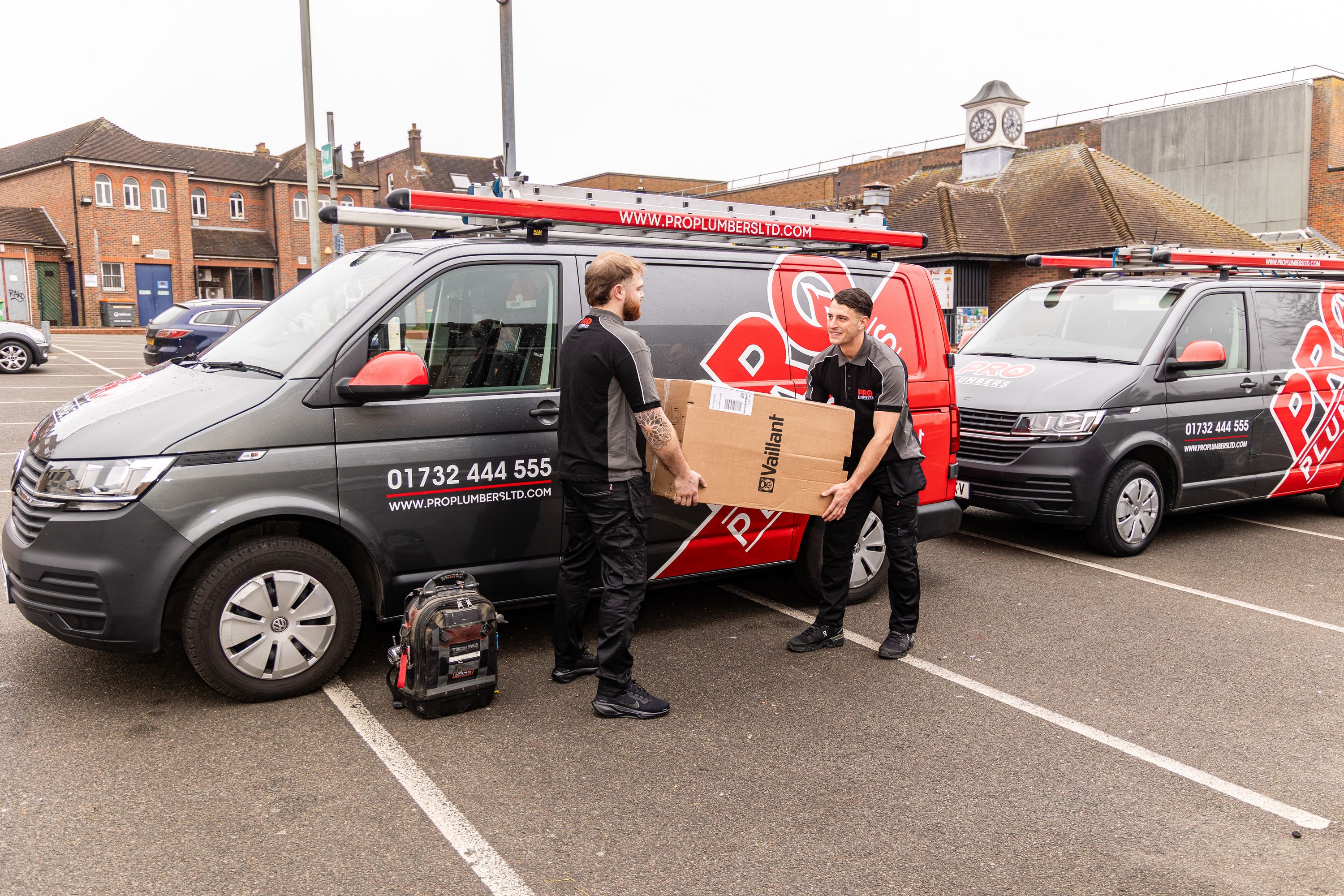
An oil boiler that remains silent or locks out can leave both heating and hot water unavailable. The reason may sit with the demand from the controls, the oil supply, the burner or a safety response within the appliance. Repeatedly pressing reset does not distinguish between those possibilities.
Keep your checks outside the boiler casing and away from fuel fittings. An OFTEC-registered engineer should investigate burner and oil-supply faults. The steps below are intended to gather information and rule out simple control issues, not to teach burner repair.
Establish what the controls are requesting
Check that the programmer is in the intended period and that the relevant thermostat is calling for heat or hot water. Look for a holiday setting, an altered schedule or a wireless control with an obvious power indication problem. Use only the normal user controls described in your instructions.
If one function works and the other does not, record that distinction. It can point the investigation towards a valve or control path rather than the burner. Our heating and hot water demand guide explains why shared system components can produce misleading symptoms.
Check the available oil without disturbing the tank
Look at an existing gauge or sight arrangement from a safe position if your installation provides one. A recent delivery does not establish that oil is reaching the burner, but an empty or unexpectedly low supply is important information. Do not climb on the tank, open unfamiliar fittings or insert a makeshift dipstick.
Note when the last delivery occurred and whether the boiler has run out before. If you suspect a fuel leak or can smell oil strongly, keep away from ignition sources and obtain appropriate advice promptly. Do not keep trying to start the boiler while investigating a fuel odour.
Read the lockout indication before resetting
Photograph any illuminated reset button, display message or fault indication and consult the boiler manual for its meaning. The indication tells you that the appliance has responded to a condition; it does not necessarily identify the failed component. Similar lights can have different meanings across models.
Record whether the boiler attempts to start, makes a brief noise or remains completely inactive. Also note any clicking, rumbling or delay that was new before the lockout. These observations are more helpful than clearing the evidence and reporting only that the boiler will not work.
Limit any reset to the manufacturer's instruction
If the manual expressly permits an owner reset and there is no oil smell, leak, smoke or other danger sign, follow that procedure once. Do not hold buttons down, remove panels or repeat the reset in a cycle. A boiler that locks out again needs professional diagnosis.
Repeated ignition attempts can be inappropriate and may make the underlying problem harder to assess. Our general safe boiler reset guide reinforces that boundary, but your oil boiler's own instructions always take priority for its controls.
Fuel delivery faults need competent investigation
A boiler may fail to fire because oil is not reaching the burner as required, even where fuel remains in the tank. Filters, valves, lines and other components need assessment suitable for the installation. Air or contamination after running out can also change what the engineer needs to check.
Do not loosen a union to look for oil or attempt to bleed the supply yourself. Escaping fuel creates safety and environmental problems. If there has been recent tank work or a delivery after an empty tank, share those details with the OFTEC-registered engineer before any attempt is made to restart the appliance.
Burner symptoms should not be adjusted away
The burner contains components that must operate together with the correct fuel and combustion arrangements. A failed start can involve ignition, detection, motors, controls or other parts, but the sound alone cannot provide a reliable diagnosis. Replacement should follow testing rather than guesswork.
Never open the casing to look for a flame and never bypass a safety device. If you see soot, smoke or signs of overheating, leave the boiler off and explain those observations when calling. Our oil boiler servicing page covers routine maintenance, while an active failure needs a fault visit rather than waiting for the next scheduled service.
Look after vulnerable household needs while waiting
Use only safe, suitable alternative heating that you already know how to operate, and keep the property ventilated as required by its own instructions. Do not improvise with outdoor fuel-burning equipment indoors. Take particular care where someone vulnerable needs warmth or where cold conditions could affect plumbing.
If there is no hot water but the home also has an immersion heater, do not dismantle its electrical controls. Our immersion heater guide explains safe owner observations if that separate system also has a problem. Ask what arrangements apply before operating unfamiliar backup equipment.
Call with the boiler and supply history ready
Provide the make, model, lockout indication, fuel gauge observation, recent delivery date and the number of reset attempts already made. Mention any oil odour, smoke, leak or recent tank work at the start of the conversation. Keep the appliance off if there are safety concerns or if it repeatedly locks out.
Contact Pro Plumbers about an oil boiler that will not fire, or call 01732 444555. An OFTEC-registered engineer can assess the appliance and its fuel arrangement. If repair is no longer the sensible route, our oil boiler installation service covers replacement planning, but that decision should follow an assessment rather than a guess.