
Pro Plumbers · 27 November 2026
No water coming from your taps: what to check safely
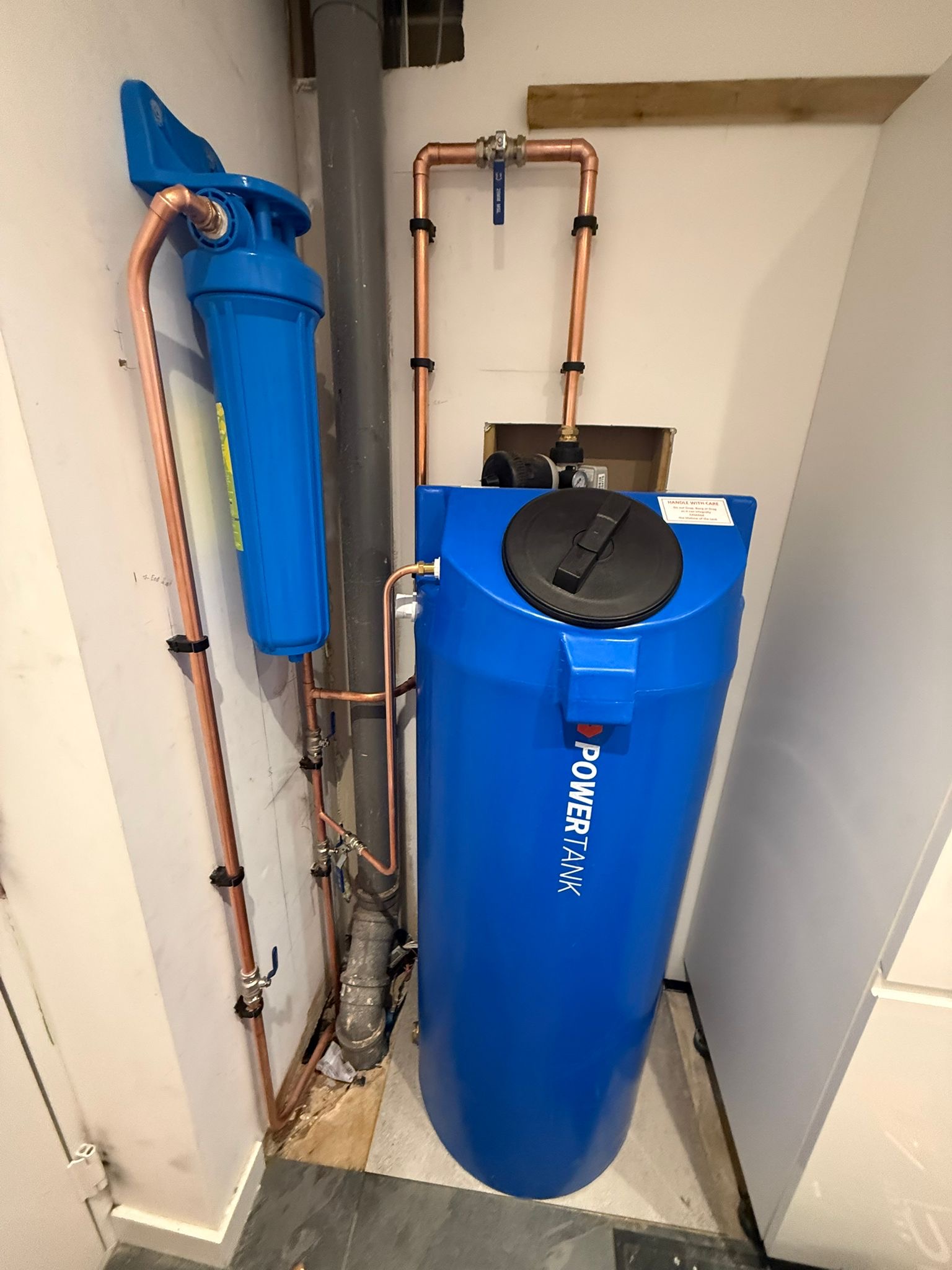
Finding a dry tap can be unsettling, particularly if you do not know whether the problem is inside the house. Start by establishing the extent of the interruption rather than taking fittings apart. A single silent mixer, a loss of hot water and a complete loss of cold supply point towards different possibilities. Keep the checks simple and stop if there is evidence of damage or a leak.
Establish whether the loss affects the whole property
Try another readily accessible cold tap briefly, then close it again. A kitchen cold tap is often connected directly to the incoming mains, although the arrangement should not be assumed in every home. Note whether there is no water at all, a short release followed by nothing, or a weak continuing trickle.
Compare this with a hot outlet without leaving taps running unattended. In a stored water system, some outlets may continue supplying water after the incoming feed stops. In other arrangements, both hot and cold delivery may be affected quickly. Write down what each tap actually does instead of relying on the room location alone.
Ask the supplier about a wider interruption
Check the water supplier's service information or contact its supply team. Nearby maintenance, a burst main or another network issue may affect the property. If practical, ask a neighbour whether their cold supply has stopped too. That is useful evidence, not confirmation that every property shares the same cause.
Give the supplier your address and explain whether any water remains available. Tell them if someone in the household has additional needs. Avoid lifting heavy covers or operating valves in the road or pavement. The supplier can explain the appropriate next step for its equipment and any local interruption it is investigating.
Look for a deliberately closed internal valve
Think about recent plumbing work, decorating, an appliance change or time away from home. Someone may have intentionally shut the internal stop tap. Locate it only if access is safe and you already know which valve controls the domestic supply. Check for a label or household handover information before touching an unfamiliar fitting.
If a known valve was deliberately closed, follow its normal operating instructions and check that reopening is appropriate. Do not force a stiff valve, remove its handle or use extra leverage. A valve that has failed internally can also obstruct flow, which requires investigation rather than harder turning.
Treat a single dry outlet as a local clue
When other taps work normally, the affected fitting or its branch supply becomes more relevant. A local isolation valve may have been closed during work, or an internal tap component may not be opening. An obstructed outlet is another possibility, but dismantling a mixer without identifying the supply can create a leak.
Record whether the handle moves normally and whether hot and cold behave differently. Do not remove cartridges or disconnect flexible hoses as a test. The plumbing repairs page is the relevant starting point for an isolated fitting problem, particularly where access or valve identification is uncertain.
Consider freezing without applying risky heat
Cold weather can interrupt a vulnerable section of pipe while other parts of the property still receive water. Exposed routes through unheated areas are relevant, but a dry tap does not by itself prove the pipe is frozen. Look only from a safe, accessible position and do not crawl into a restricted or unstable space.
Do not use a naked flame, boiling water or electrical equipment near wet pipework. Frozen pipes can also split, with leakage becoming apparent as they thaw. Our frozen pipe guide covers the wider issue. If there are signs of damage, stop investigating and arrange help before restoring normal use.
Keep appliances out of the investigation
Do not run a washing machine or dishwasher to see whether it can draw water. Avoid repeatedly starting showers or hot water equipment during a known supply interruption. Follow the relevant manufacturer's instructions for equipment that depends on a water feed, and do not remove covers to investigate it.
A heating circuit may be separate from the domestic supply, so its behaviour cannot reliably establish whether the incoming water has returned. If there is a warning on an appliance, record the displayed message. Leave any changes beyond ordinary user controls to the appropriate professional rather than experimenting with several systems at once.
Watch for an interruption caused by escaping water
A significant leak can reduce or stop useful delivery at the taps. Listen for unexplained running water and look for obvious wet areas only where safe. Do not enter flooded areas or approach electrical fittings affected by moisture. An outside pool of water also deserves reporting without excavation or probing around buried services.
If an internal leak is apparent and the known stop tap is safely reachable, close it gently. Keep people away from the affected space. The water leak page explains the relevant service, while the low pressure guide covers a reduced supply rather than complete loss.
Recheck cautiously when the supply returns
Close unattended taps before waiting for a network repair. When the supplier says supply is restored, follow its instructions, including any advice about discolouration or drinking water. Do not assume restored flow makes water suitable to drink if the supplier has issued a restriction. Report continuing problems with appearance or delivery.
If neighbouring supplies are normal but your taps remain dry, prepare your observations for a plumber. Include affected outlets, recent work, valve information and any supplier advice. You can contact the team with that summary. A clear sequence of events is more helpful than dismantled fittings or repeated attempts to restart appliances.