
Pro Plumbers · 24 November 2026
Why is my hot tap running cold when the heating works?
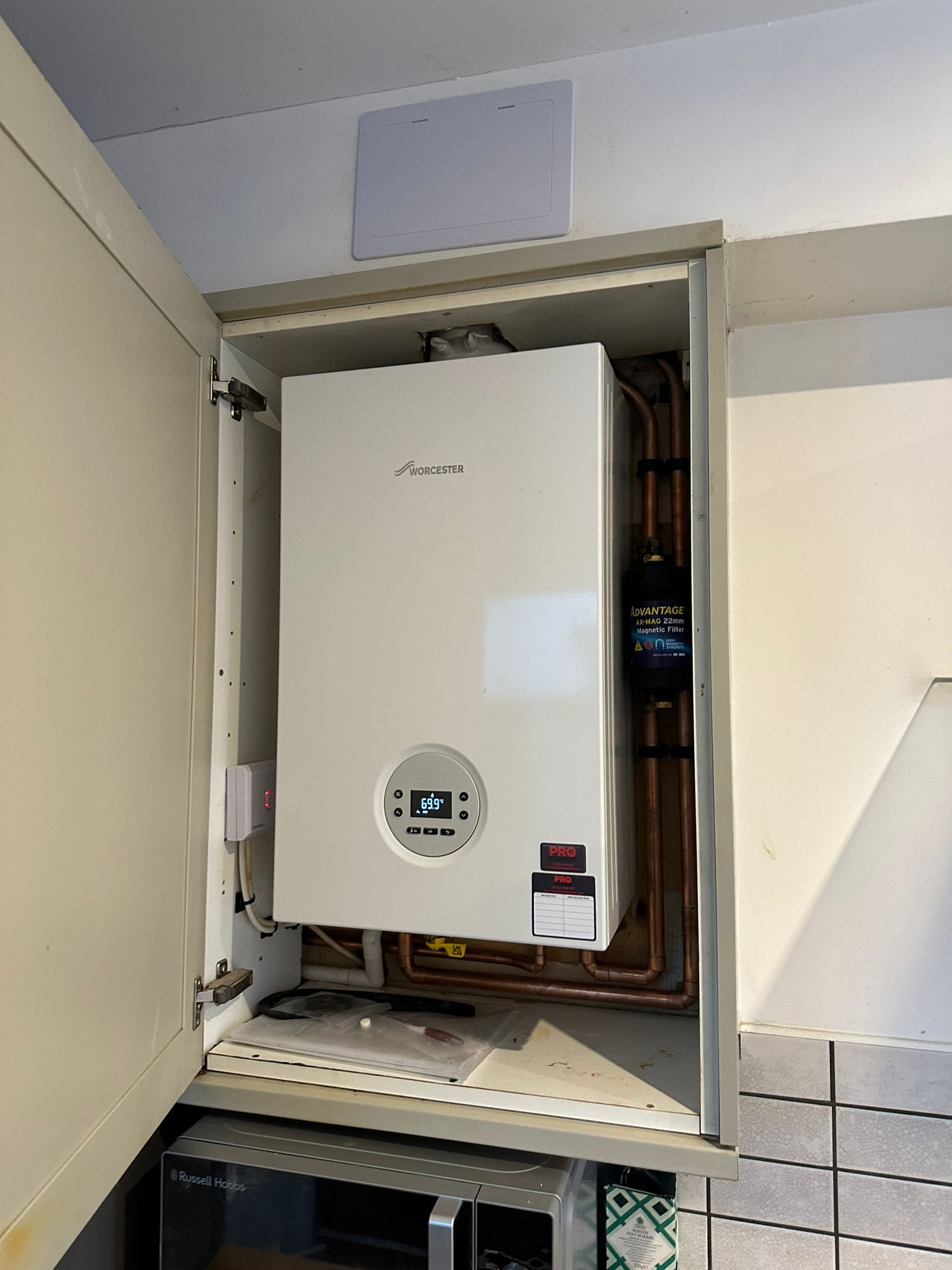
Working radiators show that some heat is being produced and delivered, but they do not establish that the domestic hot water system is working correctly. The boiler may serve two different demands, or your taps may receive water from a separately heated cylinder. A single cold hot tap can also be a local plumbing fault while the rest of the hot water system behaves normally.
The distinct question here is how to map that pattern before assuming the boiler needs replacing. Start with which outlets are affected and how the water is heated. Keep investigations outside appliance covers and leave gas, electrical and cylinder safety components untouched.
Check one outlet against the rest of the home
During normal use, observe whether another hot tap delivers warm water. If the kitchen is hot but one basin is cold, the fault may be in that tap, its local supply or a mixer rather than the heat source. An isolated outlet issue calls for a different assessment from every hot tap going cold simultaneously.
Describe flow as well as temperature. A tap producing almost no water differs from one delivering a strong cold stream from the hot position. Do not force an unfamiliar isolation valve or dismantle the mixer to test the difference. Make a simple list of affected outlets, including the shower, so a plumbing repair enquiry starts with useful evidence.
Identify whether hot water is instant or stored
A combi normally heats domestic water when a hot outlet creates demand. A system with a cylinder stores heated water and may use separate timings or controls for replenishing it. An immersion heater can provide another heat source in some cylinders. These arrangements explain why heating can operate while domestic hot water remains cold.
Look for accessible paperwork and an obvious cylinder, rather than opening cupboards containing electrical terminals or removing boiler panels. If you are unsure, send a photograph of the general arrangement. The combi hot water guide applies to an instant system; its checks should not be assumed to diagnose a cylinder heated through a separate circuit.
A local mixer can blur hot and cold supplies
A mixer combines the two supplies within the fitting. A worn or faulty component, a restriction on one side or an unsuitable pressure balance can affect the water delivered. In some arrangements, a fault can also allow unwanted interaction between supplies. The fact that the lever points towards hot does not prove the water reaching the spout is solely from the hot pipe.
Recent tap or shower work is worth reporting, especially if the symptom began immediately afterwards. Do not change hidden mixer adjustments to compensate. Identifying the fitting model and whether other taps remain hot is safer and more informative. The repair may need to address a local cartridge or supply issue instead of changing settings at the boiler.
A cylinder may simply have no current heating demand
A hot water programme can be off while the central heating programme is on. Power interruptions, clock changes or altered schedules may explain that situation. Check only the user-facing controller and the settings described in its instructions. Make sure you are looking at the hot water programme, not assuming the room heating display controls both functions.
If the programme is correct but the cylinder stays cold, the cause can involve controls or the primary heating path serving it. Do not remove a thermostat cover, manually hold a motorised valve open or bypass a safety control. Those actions obscure the fault and introduce risk. Note whether the problem is continuous or whether hot water returns at a particular scheduled time.
Heating water and tap water have separate jobs
The water circulating through radiators is not intended to come out of domestic taps. Heat transfers between circuits through the appropriate appliance or cylinder arrangement. A boiler successfully heating radiators can still have a fault in the parts that recognise or serve hot water demand. This explains why a warm radiator is not a complete boiler health check.
On a combi, the display may indicate hot water demand when a tap is opened. Observe that externally and record what happens without repeated resets. On a cylinder system, the controls and heat transfer arrangement need a different investigation. Boiler repair assessment should be based on the actual system type rather than a generic diagnosis copied from another home.
Do not treat an immersion heater as an automatic workaround
A cylinder may have an immersion heater, but its presence does not mean it is working, correctly controlled or suitable to switch on without understanding the arrangement. If you already use it according to the owner instructions, note whether it changes the symptom. Do not expose wiring, reset hidden thermal devices or assume an unlabelled switch is the immersion supply.
Our immersion heater guide explains safe observations for that separate heat source. If a switch trips, smells hot or shows damage, leave it off and request advice. Avoid repeated attempts to restore a supply that is protecting against a fault. A hot water problem should not become an electrical experiment.
Temperature patterns help distinguish supply from heating faults
Water that starts warm and then cools may reflect stored water being used up, mixing or changing demand. Water that remains cold at every outlet from the start is another pattern. A brief cold section after a long period without use can simply be water that has cooled in the pipe, but continuing cold flow needs investigation.
Do not leave taps running indefinitely in the hope of forcing a response. Note the pattern during normal use and whether it changes with the heating schedule. Mention unusual flow, noises or water discharge around a cylinder. If a safety outlet is releasing water, do not obstruct it. Report it separately so the hot water cylinder arrangement can be assessed appropriately.
Send a symptom map rather than a guessed component name
Gather the boiler model, whether there is a cylinder, which outlets are cold and whether the control shows hot water availability. Include recent plumbing or control changes. State that the radiators still heat, but do not take that as proof that the boiler or cylinder controls require no attention. Accurate distinctions can help direct the assessment.
You can send Pro Plumbers your hot water observations or call 01732 444555. Describe what you can see safely, leaving internal inspections to the appropriate engineer. The objective is to establish whether the problem is local plumbing, hot water control or heat production before choosing a remedy.