
Pro Plumbers · 27 November 2026
What can cause high water pressure in a home?
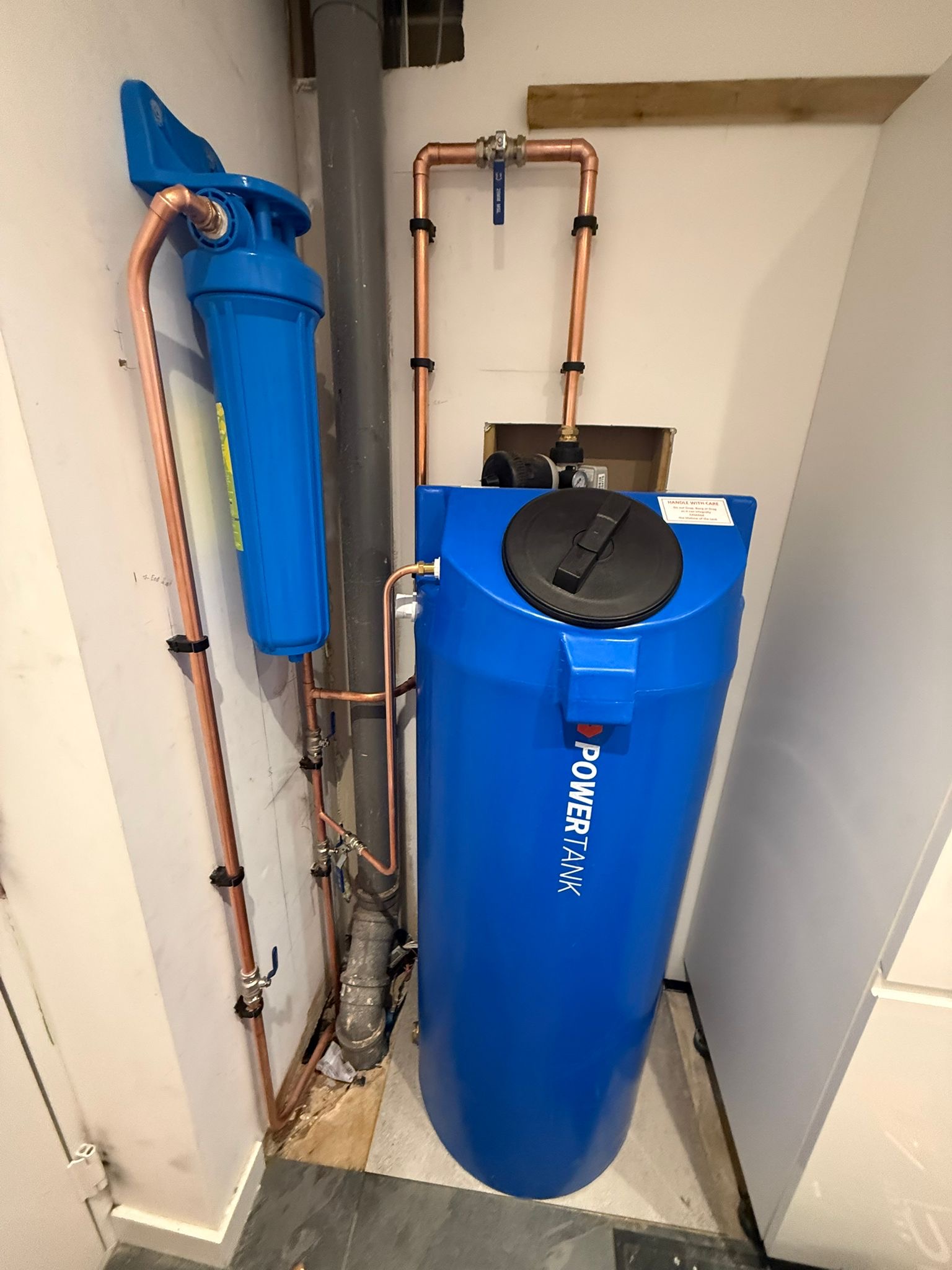
A tap that splashes fiercely or pipework that knocks can make you suspect excessive water pressure. Those symptoms deserve attention, but they do not prove the incoming supply is too strong. A restriction at one outlet, a loose pipe or a faulty fitting can produce a similar impression. The useful first step is to describe what happens, where it happens and whether anything has recently changed.
Separate mains pressure from the boiler gauge
The gauge on a sealed heating system measures its heating circuit, not the pressure delivered to your kitchen tap. A rising boiler gauge therefore needs a different investigation from forceful cold water. Do not drain heating water or adjust a filling connection to try to calm a domestic tap.
Some homes have stored water as well as a direct mains supply. Different outlets may consequently behave differently without sharing a fault. Our guide to excessive boiler pressure explains the separate heating issue. Tell a plumber which taps are affected rather than reporting only that the house pressure is high.
Look for a pattern across ordinary water use
Notice whether the effect occurs at several cold taps, only one mixer, or both hot and cold outlets. Use taps normally and avoid opening everything together as a test. A sudden spray at one basin can come from the shape or condition of its outlet rather than an excessive supply throughout the property.
Record whether the problem appeared after a tap replacement, plumbing work or a period away. Photographs of affected fittings and a short description of the sound can help. There is no need to loosen joints, attach improvised gauges or reproduce violent knocking repeatedly to collect evidence.
Understand what the incoming supply can change
Pressure available from the public mains is not identical in every property or at every moment. Network conditions, elevation and demand can influence it. An overnight change noticed at a tap may justify asking the water supplier about the local supply, but timing alone cannot establish that the mains is the cause.
If several neighbours report a sudden similar change, pass that information to the supplier. Keep the distinction between a supply enquiry and a plumbing diagnosis: the supplier can discuss its network, while the fittings and pipework within the property may still need independent assessment. Do not adjust equipment in a street chamber.
Consider an existing pressure reducing valve
Some installations have a pressure reducing valve intended to control downstream pressure. A valve that is incorrectly set, deteriorating or affected by debris may not regulate as intended. Its appearance does not establish whether it works, and an adjustment made without measurements can conceal rather than solve the original problem.
Look for installation paperwork or a previous service note instead of turning an unfamiliar screw. A plumber can assess pressure under suitable conditions and establish whether the valve is appropriate for the installation. Where specialist hot water equipment is involved, its controls and safety arrangements must also remain undisturbed.
Distinguish a brief surge from sustained pressure
A bang when a tap or appliance valve closes can be water hammer, caused by a rapid change in water movement. High pressure can contribute, but pipe support, valve behaviour and the layout also matter. The sound is not a reliable pressure reading and does not identify a single replacement part.
Steady dripping, repeated hose trouble and unusually forceful flow are other observations worth reporting, although each has alternative causes. Avoid slamming taps shut to demonstrate the noise. The guide to weak household water flow provides a useful contrast between delivery problems and pressure assumptions.
Leave hot water safety fittings alone
Water expands as it heats. Certain hot water systems include expansion arrangements and protective valves to accommodate that safely. A fault there can cause symptoms that need investigation even when the incoming cold supply is satisfactory. Persistent discharge from a safety pipe should not be treated as an ordinary dripping tap.
Never cap a discharge pipe, hold a safety valve closed or alter a cylinder control. Keep people away from hot discharge and arrange suitable professional advice. Explain whether the symptom follows water heating or occurs independently. That timing helps distinguish a thermal expansion concern from a change affecting the incoming supply.
Reduce immediate risks without changing the installation
Check accessible areas for fresh leaks while keeping clear of wet electrical fittings. Do not handle sockets, switches or appliances that may be affected by water. If water is escaping and the known internal stop tap is safely accessible, close it gently; never force a seized valve or climb into an unsafe space.
Partly closing a stop tap is not a substitute for proper pressure regulation. It can limit flow while leaving static pressure unresolved when outlets are shut. For concerns about fittings, see plumbing repairs; visible escape of water is also covered by the water leak service page.
Ask for measured diagnosis rather than a guessed setting
Prepare a note of affected outlets, when the behaviour began, any recent work and whether water is escaping. Include the location of any known reducing valve without attempting to dismantle it. A useful assessment considers the measured supply, pressure behaviour during use and the requirements of connected fittings.
Use the contact page to describe these observations and arrange advice. If the supplier is already investigating a network change, mention that too. The aim is to identify the source of the behaviour before choosing a repair, not to make every outlet feel identical by trial and error.