
Pro Plumbers · 24 November 2026
Why does my heating lose pressure only when it cools?
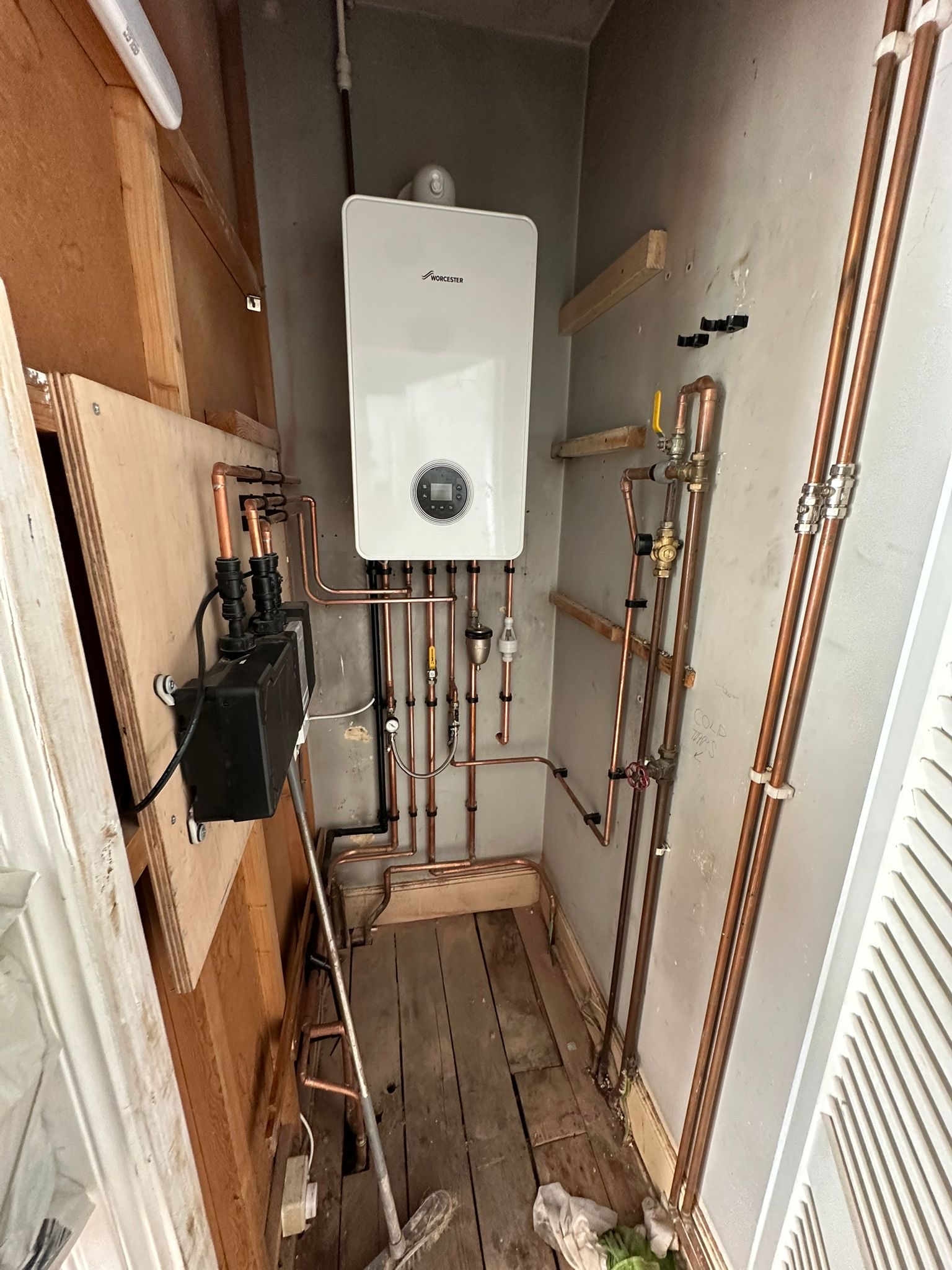
Water in a sealed heating system expands as it warms and contracts as it cools. Some movement on the pressure gauge between a hot circuit and a cold one is therefore expected. The question is whether the reading returns to a stable, appropriate cold level or keeps falling below the appliance's recommended range. Those are different patterns.
A system can appear healthy while running because the warmed water raises the gauge reading, then reveal a low baseline once it has cooled. This guide focuses on that temperature-related pattern rather than repeating a general topping-up procedure. It explains how to make a useful comparison and why repeated refilling is not a diagnosis.
Compare readings under similar cold conditions
Take the cold reading after the heating has had time to cool, using the appliance guidance as your reference. Comparing a partly warm circuit one morning with a fully cold circuit another can make a stable system look inconsistent. The gauge should be observed externally, without opening the boiler or touching fittings to determine how hot they are.
Write down the reading and whether heating or hot water demand has recently run. Use the correct range from the model's instructions, not a figure copied from someone else's boiler. If the pressure is outside the recommended range, follow the owner guidance and request advice where uncertain. The important comparison is like with like, rather than simply hot against cold.
Normal contraction should not create a falling baseline
A rise during heating followed by a return to the same cold level can be ordinary thermal behaviour. Returning to progressively lower cold readings is different: it suggests that the water inventory or pressure management is changing. The warmed system may temporarily conceal the low starting point, so looking only while radiators are hot can miss the pattern.
Note several ordinary heating periods if operation remains safe, but do not keep using a boiler below its permitted pressure just to gather a longer record. Our general pressure-loss guide covers broader causes. Here the key detail is whether each cool-down returns to a stable baseline or leaves the circuit lower than before.
The expansion vessel manages the hot-to-cold change
A sealed circuit usually has an expansion vessel that provides space for water to expand. Its working condition affects how strongly the gauge moves as temperature changes. If expansion capacity is not functioning properly, pressure can climb unusually while heating, then fall markedly afterwards. That pattern can point towards an expansion issue, but it is not confirmed by the gauge alone.
Testing or adjusting a vessel involves system knowledge and is not a tyre-pump job for the homeowner. Do not remove the casing, press an unfamiliar valve or attempt to charge it based on an online instruction. Report the range of gauge movement and let an engineer assess the vessel, circuit condition and other possible causes together.
A discharge during heating can leave less water afterwards
If pressure becomes excessive during a heating cycle, the safety relief arrangement may release water. Once the system cools, the remaining water can produce a low cold reading. That explains how a problem appearing as pressure loss can begin with a high-pressure event. The discharge outlet may provide evidence, but must be identified correctly and inspected only from a safe position.
Do not cap a dripping pipe or assume every external outlet is the safety discharge. Our high boiler pressure guide explains why unusual rises need attention. Describe any visible water outside together with the hot and cold gauge readings. The remedy needs to address why water was released, not just replace it repeatedly.
Cooling can reveal a leak at a joint
Materials and seals change slightly with temperature, and some leaks are more noticeable during cooling or when the system is cold. A joint may leave only a small trace rather than a large puddle. Look for visible dampness, staining or crusting around accessible radiator valves and pipe connections without tightening or dismantling anything.
A leak can also remain hidden beneath floors or within an appliance, so an absence of visible water is not proof that the circuit is sealed. Central heating leak detection considers unexplained loss. Report where marks appear and whether they change through a heating period. Do not add leak-sealing chemicals as an experiment before the cause and suitability are assessed.
Recent bleeding or draining changes the context
Pressure can change after air is released or heating work has altered the amount of water in the circuit. Air left after refilling may gradually collect at high points, while an automatic vent may release it. That history matters when evaluating an initial change in the cold reading. It does not mean repeated ongoing loss should be dismissed as normal settling.
Tell the engineer about recent radiator work, bleeding, draining or topping up. Do not repeatedly bleed every radiator to try to make the gauge behave differently. Each unnecessary release can reduce pressure further and complicate the record. A clear account of what changed and when is more useful than several new interventions performed before the system is inspected.
Refilling may restore operation without solving the fault
Adding water can bring the gauge back into its recommended range, but it does not establish where pressure was lost or why it changed. Repeated refilling introduces fresh water and can obscure a pattern of discharge or leakage. The filling arrangement also needs to be correctly closed afterwards according to the appliance's instructions.
Our repressurising guide covers the owner procedure where appropriate. Do not use it as a routine answer to recurring cold-pressure loss. If you cannot identify the filling controls confidently, or the boiler keeps falling outside its range, leave the task and arrange a boiler repair assessment rather than guessing at valves.
Prepare a paired-reading report
Record the model, cold reading, the reading during normal heating and the level after the next full cool-down. Include visible drips, recent work and any occasions when you added water. Avoid giving only the highest number or only the lowest one: the sequence helps distinguish ordinary thermal change from a falling baseline or excessive expansion swing.
For a persistent pattern, Pro Plumbers offers heating engineer assessment. Send us your pressure observations or call 01732 444555. Keep boiler covers and safety outlets untouched. The aim is to find whether the problem involves water loss, expansion management or recent system work before deciding what needs repairing.