
Pro Plumbers · 18 November 2026
Heat pump servicing: what a service includes and how to keep efficiency up
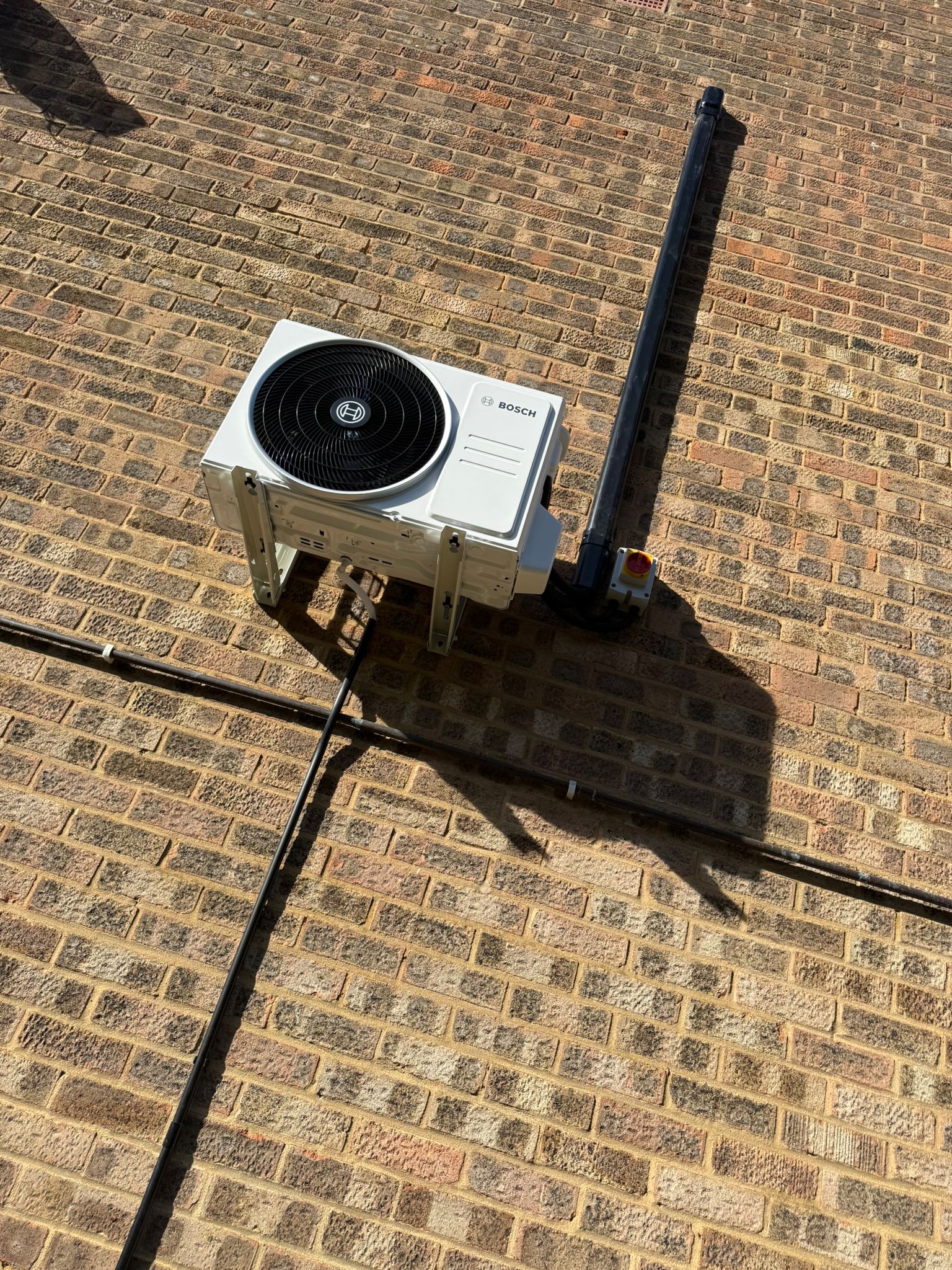
A heat pump works differently from a boiler. Instead of burning fuel, it moves heat from the outside air or ground into your home, usually running at lower temperatures for longer periods. That makes it efficient when it is set up and looked after well, and noticeably less so when it is not. Regular servicing is a big part of keeping running costs down.
This guide explains what a heat pump service typically covers, how often to arrange one and what you can do day to day to help it run well.
Why servicing a heat pump matters
Heat pumps have fewer combustion-related risks than gas or oil boilers, but they still have fans, pumps, valves, sensors, controls and a refrigerant circuit. Leaves and dirt on the outdoor unit, low system pressure, air in the pipework or poorly set controls can all quietly reduce efficiency. A service catches these issues and confirms the system is still doing what it was designed to do.
Many manufacturers also expect regular servicing to keep a warranty valid. Check your paperwork, and keep a record of every visit.
What a heat pump service usually includes
Outdoor unit
The engineer checks the unit is level and secure, clears debris from around it, inspects and cleans the coil and fan, and checks that defrost water drains away freely.
Heating system side
Checks normally cover system pressure, filters and strainers, pumps, valves, the expansion vessel and any hot water cylinder. Water quality and inhibitor levels may be checked, because sludge and debris affect a low-temperature system more than most.
Electrics, controls and refrigerant
Electrical connections, sensors and controls are inspected, and settings such as flow temperature and the weather compensation curve are reviewed. Any work on the sealed refrigerant circuit needs an F-Gas certified engineer. Exact checklists depend on the manufacturer, so the installer's or maker's servicing guidance is the best reference.
How often should a heat pump be serviced?
Once a year is the usual recommendation for home systems, but follow the manufacturer's instructions for your model. Booking outside the coldest months can make a visit easier to arrange and gives time to sort any issues before you rely on the heating most.
How to keep a heat pump running efficiently
- Keep the outdoor unit clear. Leave space around it, remove leaves and snow gently, and do not cover it.
- Avoid big temperature swings. Heat pumps generally work best keeping a steady temperature rather than heating hard for short bursts.
- Keep flow temperatures as low as comfort allows. Lower flow temperatures usually mean better efficiency. Ask your installer before changing settings.
- Let radiators and underfloor heating work. Do not block radiators with furniture, and make sure the system is balanced.
- Watch the pressure. If the system has a pressure gauge, note the normal reading and look out for drops.
Even heat across the home depends on a balanced system. Our guide on balancing radiators explains the idea, and our underfloor heating page covers systems that suit low-temperature heat.
Seasonal checks for owners
In autumn, before the heating season, check the outdoor unit is clear and the controller schedule suits the winter. Make sure nothing has been stacked against the unit over the summer. In winter, expect the outdoor unit to defrost now and then, which can produce steam and water; that is normal. Ice that builds up and does not clear is not.
In spring, think about booking the annual service and note anything you noticed during the colder months, such as a room that never got warm enough or a noise that came and went. Those notes help an engineer find the cause quickly.
Keep your installation paperwork, commissioning records and service history together. They show how the system was designed and set up, which is useful when anyone needs to work on it later.
Signs a heat pump needs attention
Rooms not reaching temperature, much higher electricity use than usual, error codes, unusual noises, ice that does not clear from the outdoor unit or water leaking indoors are all worth investigating. Check the controller first for a simple setting change, then get the system looked at.
For heating problems on the radiator and pipework side, our heating engineer and radiator repair pages explain how we can help. If you are comparing heating options, see our guide to oil boiler and heat pump running costs.
Have a question about your heating system? Call Pro Plumbers on 01732 444555 or send us an enquiry and tell us what you have, and we will let you know how we can help. Our minimum charge is £90 + VAT, including the first hour on site.