
Pro Plumbers · 26 November 2026
Why does my air conditioning smell when it runs?
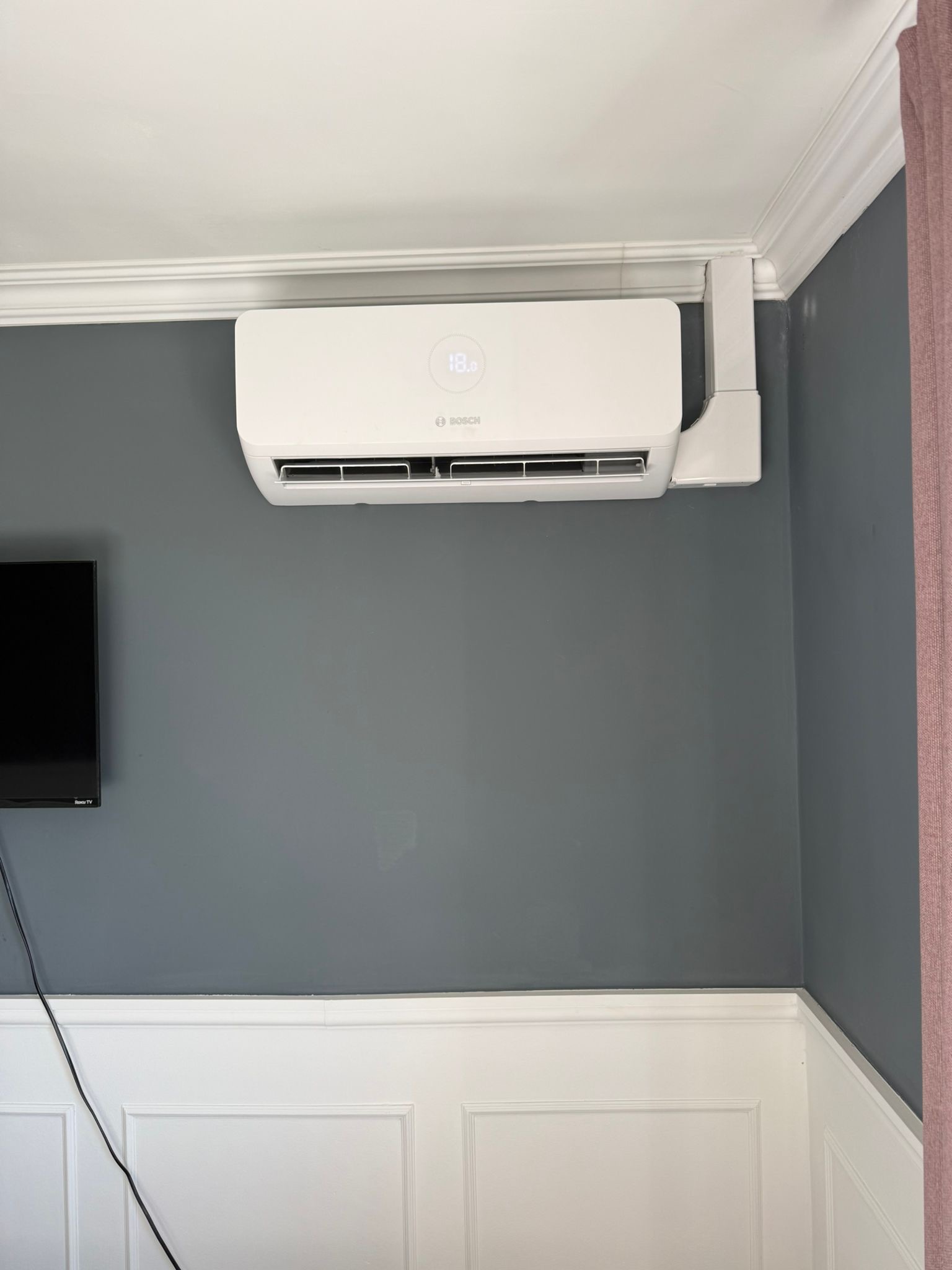
A smell that appears when air conditioning starts can come from the room, the accessible air path, moisture within the unit or a more urgent fault. Describing it precisely matters. A dusty odour after a long pause is not investigated in the same way as a persistent damp smell or a burning odour.
Do not mask the problem with fragrance and do not spray household cleaner into the casing. Begin by noting when the smell occurs, which unit produces it and whether there are other symptoms such as water, weak airflow or a warning light.
Classify the odour without getting close to components
Use ordinary room-level observations only. Is the smell musty, stale, damp, smoky, sharp or similar to burning? Does it arrive for a few seconds at startup or continue throughout operation? Avoid putting your face near the outlet to investigate.
If there is a burning smell, smoke, visible damage or an electrical crackling sound, stop using the system and seek urgent appropriate help. Keep clear of the equipment. Do not continue running it to decide whether the smell is getting worse.
Check whether the room is the real source
Air movement can distribute an existing odour from carpets, soft furnishings, a nearby drain or stored items. Notice whether the smell is present before the unit starts and whether it occurs in another room. Opening a window when weather permits can help you compare, but it is not a treatment for an equipment fault.
A bathroom or kitchen odour may have a separate plumbing explanation. Our bathroom drain smell guide covers dry traps and waste-side clues. If the smell only arrives with one air conditioning unit running, however, that installation still deserves inspection.
Moisture and residue can create a musty smell
Cooling involves moisture as well as temperature change. Dust and other residue on internal surfaces can combine with damp conditions to produce an unpleasant odour. This is one reason servicing looks beyond a quick wipe of the visible plastic.
Do not dismantle the fan or coil area. Internal cleaning needs suitable access, products and protection for electrical parts. Our air conditioning maintenance guide explains routine care, including why filters alone are not the whole system.
Follow the owner's filter procedure exactly
Where the manufacturer provides accessible owner-cleanable filters, use the stated isolation, removal, cleaning and drying method. Never improvise with perfumed sprays, essential oils or strong disinfectants. These can leave residues, damage surfaces or make the air quality problem less pleasant.
A clean filter may not remove an established internal odour. If the smell persists after permitted maintenance, arrange a service rather than increasing the strength of cleaning products. Stop immediately if access requires unstable climbing or if the casing is wet.
Poor drainage can keep the unit damp
Condensate should leave through its intended route. A restriction, unsuitable fall or pump problem may allow moisture to remain where it should not. Mustiness accompanied by dripping, gurgling or intermittent leaking makes drainage especially relevant.
Do not insert objects into a drain or pour liquid into the indoor unit. Read our air conditioning leak guide if moisture is visible. An engineer can assess both the drainage arrangement and the cleanliness of internal components without treating the smell as an isolated nuisance.
Heating mode can change what you notice
A reversible split system used for heating may produce a different startup smell from cooling mode, particularly after a long period without use. Dust warming on accessible room-side surfaces is not the same as an electrical burning odour, but homeowners should not have to guess between them.
Follow the appliance manual and stop if the smell is strong, persistent or accompanied by smoke, noise or poor operation. Record which mode was selected and how long the unit had been off. That detail helps the engineer reproduce conditions safely.
Refrigerant and electrical concerns are not cleaning tasks
An unusual chemical or sharp smell should not be diagnosed by searching for a matching description online. Leave the area if you feel unwell and obtain appropriate advice. Do not touch pipe joints, open panels or attempt to add refrigerant.
Refrigerant-related work requires appropriately certified personnel, and Pro Plumbers lists F-Gas certification through REFCOM. Electrical inspection also belongs to competent people with the covers removed only under controlled conditions. Fragrance products cannot resolve either category of problem.
Ask for the source to be investigated
Provide the unit model, age of the installation if known, service history and a description of when the odour occurs. Mention recent leaks, filter cleaning and any building work nearby. A short video can capture sound and indicators, but there is no need to run a system that appears unsafe.
Tell the engineer whether anyone experiences irritation only when the equipment operates, without trying to establish a medical cause yourself. Ventilate the room where it is safe and practical. If the odour is accompanied by symptoms that concern you, leave the area and seek appropriate advice before arranging ordinary maintenance.
Keep a note of which cleaning products have already been used and where they were applied. This avoids an engineer unknowingly combining chemicals or attributing a new fragrance to the original fault. Do not add another product before the visit simply to make the unit smell different; an unchanged installation is easier to assess.
Arrange help with a smelly air conditioning unit, or call 01732 444555. Our repair and servicing page explains how we trace faults. If several rooms are affected or you are reviewing the whole installation, our air conditioning service provides the wider starting point.