
Pro Plumbers · 26 November 2026
Why is water leaking from my air conditioning unit?
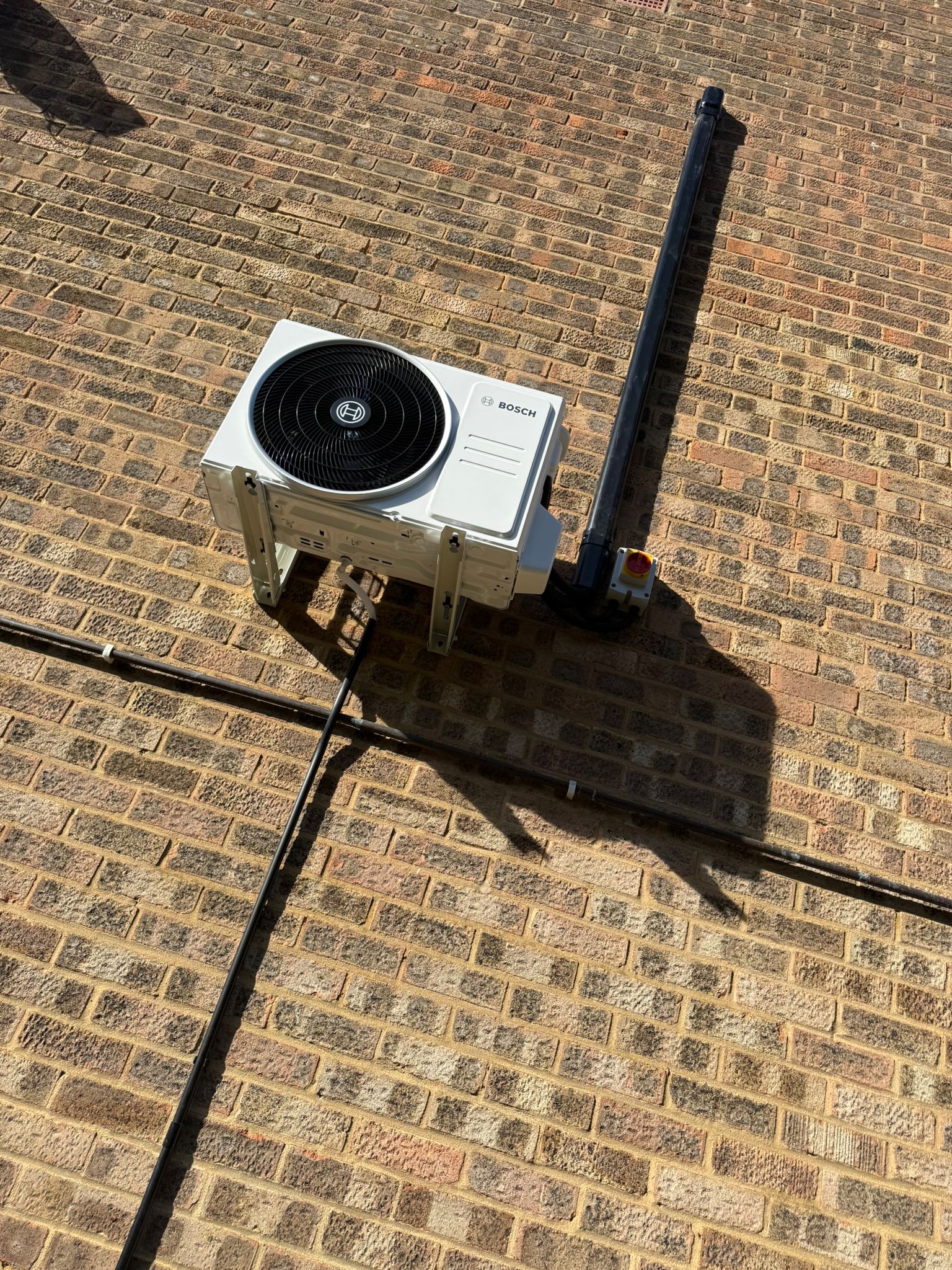
Moisture removal is a normal part of cooling, but the resulting condensate should travel through the designed drainage arrangement. Water running down a wall, dropping from the indoor casing or collecting beneath pipework means that process needs attention. The visible drip may be some distance from the actual restriction or damage.
Do not open the unit to look for a drain tray. Your first priorities are electrical safety, protecting the room and preserving useful evidence for the person who will inspect the system.
Stop cooling before containing the drip
Use the normal controller to switch the unit off if you can do so from a dry position. Keep away from wet sockets, plugs, cables and electrical appliances. Do not stand on a chair beneath a leaking unit or touch its casing while water is escaping near electrical components.
Place a container or absorbent material only where it can be reached safely without lifting the unit or pulling its pipes. Move furniture and belongings away if they are not already wet around electrical items. Photograph the leak pattern before cleaning accessible surfaces.
Understand where the water should go
An indoor cooling coil can condense moisture from room air. That water normally collects and flows through a condensate line to an approved discharge point. Some layouts rely on gravity; others use a small pump because a continuous fall is not available.
The right route depends on the installation. Our air conditioning maintenance article explains why drain checks form part of routine care. A visible external pipe dripping at its intended outlet is not the same fault as water emerging from the indoor casing.
A partial restriction can produce intermittent leaks
Dust, residue or another obstruction may interfere with condensate flow without blocking it completely. Water can then appear only during longer cooling periods or humid conditions. A leak that stops after the unit is switched off does not prove the route has cleared itself.
Do not pour drain cleaner, bleach or hot water into the equipment. Chemicals can damage components and create a hazard for whoever services it. Avoid blowing into a drain tube or inserting wire, since that can disconnect or puncture a part you cannot see.
Drain pumps add another set of clues
Where a pump is fitted, its sound or an alarm may change when a fault develops. The issue could involve the pump, its controls, a check valve or the pipework beyond it. Guessing from noise alone can lead to the wrong replacement.
Record whether a pump starts, runs continuously or remains silent when cooling is requested, without removing its cover. Leave electrical testing and internal cleaning to a competent engineer. Tell them where the pump is located and whether it has been serviced or replaced before.
Ice can turn an operating fault into melting water
Restricted airflow or a refrigeration problem can sometimes lead to ice forming within the system. When operation stops, melting ice may release more water than the intended drainage path can manage. In that situation, clearing the visible drip alone does not address why the ice formed.
Do not scrape ice, warm pipes or restart the unit repeatedly to see whether the problem returns. Note any frost you could see safely and whether airflow had been weak beforehand. Our poor cooling guide explains other observations worth recording.
Installation conditions still matter years later
A pipe can become displaced, a connection can deteriorate, or building work can alter the original fall. The unit may also have been installed without a practical maintenance route. A repair should examine the complete condensate path rather than simply sealing the casing where water appears.
External sealant over an indoor drip can redirect water into the wall or electrical areas. It does not restore drainage. If the leak began after decorating, access-panel work or movement of nearby services, include that history in your repair request.
Separate condensate from other property leaks
Water below an indoor unit is likely to be connected with its operation, but plumbing above the ceiling or in an adjacent wall can produce a similar stain. Notice whether the moisture appears only during cooling or also when the system has been off for an extended period.
If the pattern is unrelated to air conditioning use, stop assuming the appliance is responsible. Our water leak repair page covers general escaping water, while hidden leak signs explains how staining and meter observations can help.
Book a drainage and performance inspection
Prepare the model reference, a photograph of any displayed code, the timing of the leak and pictures of the accessible drain route. Say whether the unit has been icing, smelling unusual or cooling poorly. Those connected symptoms can prevent an incomplete diagnosis.
Explain how quickly water appears after startup and whether it follows every cooling cycle. Keep any stained material until you have recorded its location, then dry accessible room surfaces where safe. Do not leave a container where it can overflow unnoticed. If water is spreading rather than dripping, ask for urgent advice when you call.
Check whether nearby decoration or flooring continues to darken after the unit has been stopped, since retained water may still be emerging. Do not peel back wet finishes or cut into a ceiling to find the route. Make the affected area safe and leave investigation of concealed construction to the appropriate professional.
Contact Pro Plumbers about an air conditioning water leak, or call 01732 444555. Our air conditioning repair and servicing covers investigation of drainage and operation. Leave the equipment off while water is escaping, and do not attempt refrigerant or internal electrical work yourself.