
Pro Plumbers · 26 November 2026
Why is my air conditioning not cooling properly?
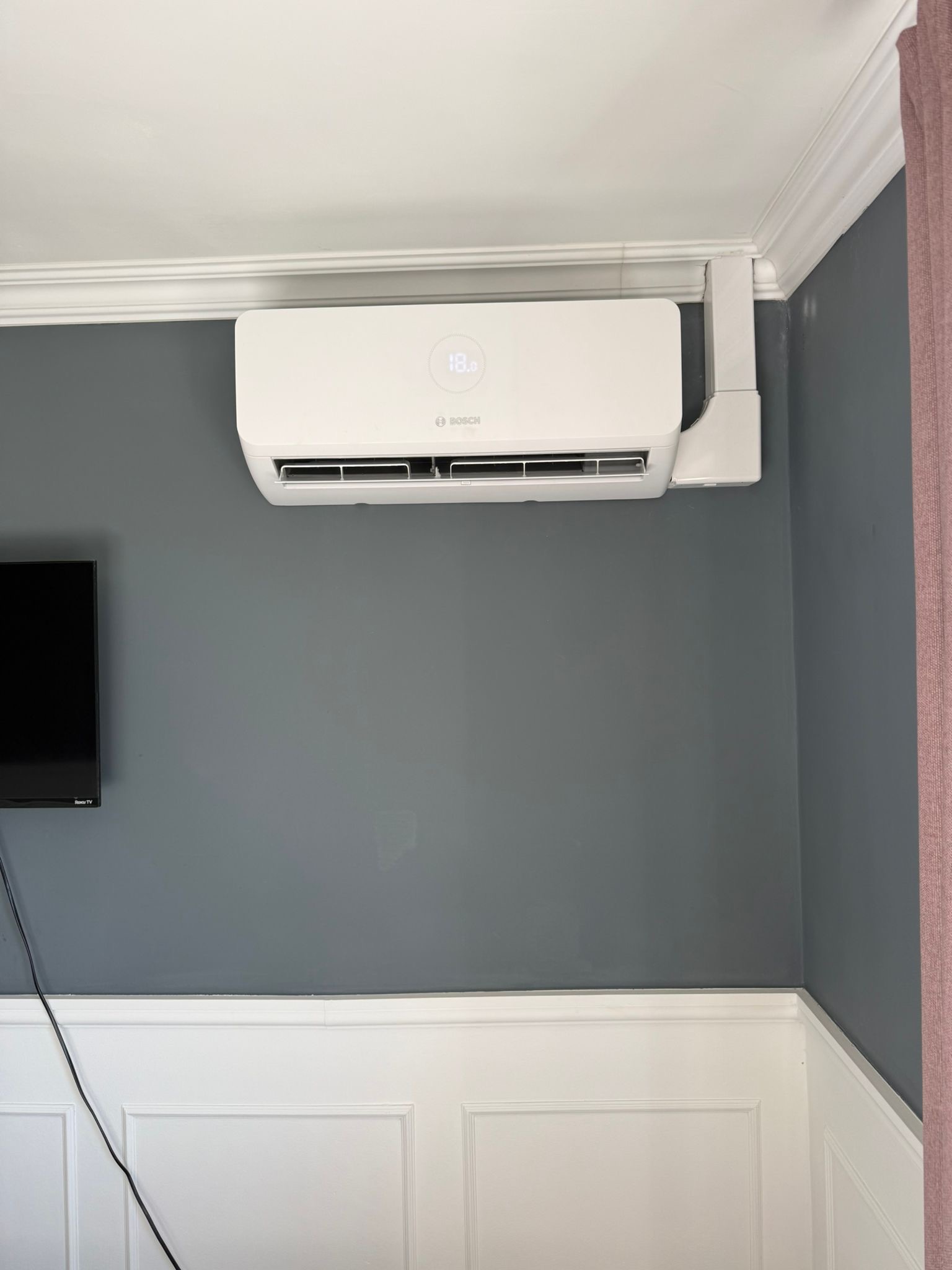
An indoor unit can blow air convincingly without removing enough heat from the room. The cause may be as simple as an unsuitable mode or open windows, but weak airflow, ice, drainage problems and refrigeration faults need a different response. Start with observations that do not involve opening equipment.
This guide is for a split air conditioning system used for room cooling. Do not remove covers, touch refrigerant pipework or reset a flashing fault repeatedly. A clear record of what the system does is more useful than a sequence of experiments.
Confirm the controller is asking for cooling
Check the displayed mode rather than relying on the temperature number alone. Heating, fan-only, dehumidification and automatic modes can produce different behaviour. Use the cooling mode described in your manual and select a reasonable target below the current room temperature.
Look for timers, occupancy functions or a central control that might override your setting. If several indoor units share a system, another controller may affect available modes. Note exactly what the display shows before changing anything else.
Give the room conditions a fair check
Close external doors and windows while assessing cooling. Strong sun through large glazing, cooking equipment or a room full of people can add heat while the unit is running. The system may be working but struggling against a temporary load.
Allow a sensible period for the room to respond rather than repeatedly lowering the target. A colder setting does not necessarily increase the equipment's maximum capacity. If one room never reaches a comfortable condition even under ordinary use, its original sizing and layout may also need review.
Weak airflow is different from warm airflow
Stand where you can observe the outlet without climbing or touching internal parts. Is the air movement much weaker than usual, or is it strong but not cool? Does it come from every part of the outlet? These descriptions help separate a restriction from a performance fault.
Keep furniture, curtains and stored items clear of the indoor inlet and outlet. Do not direct a separate fan into the unit or cover part of it to redirect air. If airflow has gradually declined, maintenance may be required; our maintenance guide explains the usual filter and cleaning routine.
Follow only the manual for accessible filters
Some systems provide owner-accessible filters with specific cleaning instructions. Use that procedure only if the unit can be isolated safely and the filters can be reached without stretching from furniture. Never spray water or cleaning fluid into the casing.
Filters must be refitted as instructed and fully dry where rinsing is permitted. Cleaning them cannot correct every cooling problem. Ice, a flashing indicator, an unusual smell or water escaping from the unit are reasons to stop and arrange professional attention rather than continue with repeated cleaning.
Observe the outdoor unit from a safe distance
Look for obvious obstruction by leaves, packaging or vegetation, and listen for whether the outdoor equipment appears to start. Do not reach through a grille, remove a panel or move a fixed unit. Keep the required clear space around it without climbing onto roofs or unstable surfaces.
If the indoor unit runs but the outdoor unit remains silent, record that pattern. If the outdoor unit starts and stops rapidly, note that too. Neither observation identifies a component by itself, but both help an engineer plan the diagnosis.
Ice and water are stop signs
Visible ice on pipework, frost where it does not normally appear, or water dripping from the indoor casing should not be ignored. Switch the equipment off using the normal control if safe and arrange advice. Do not chip ice away or apply heat to refrigeration components.
Keep water away from sockets and electrical fittings. Our air conditioning water leak guide covers safe containment and drainage clues. Refrigerant work must be left to appropriately certified personnel; Pro Plumbers lists F-Gas certification through REFCOM.
A fault code is a clue, not a parts order
Write down any code, flashing sequence and the conditions in which it appears. Consult the owner's manual for user instructions, but do not assume an online list for a similar model is authoritative. A code can identify a circuit or condition rather than one failed part.
Avoid repeatedly interrupting the electrical supply to clear it. If the manual provides a specific reset procedure and no safety warning applies, follow it once as directed. A returning code needs investigation through our air conditioning repair service.
Arrange diagnosis with a useful fault history
Record the model reference, controller settings, when cooling was last satisfactory and whether both indoor and outdoor equipment run. Add clear photographs of accessible indicators and any ice or moisture. Mention recent cleaning, building work, power interruptions or changes to another indoor unit.
Say whether the problem affects every mode and every indoor unit, or just one room. Note the time of day and whether doors and windows were closed during your observation. These details are not a self-diagnosis; they simply let the engineer choose appropriate tests instead of relying on a general statement that the system feels warm.
Ask Pro Plumbers about an air conditioning system that is not cooling, or call 01732 444555. Explain any water or electrical concern first. If you are considering a new layout rather than repairing the existing one, our installation service covers survey and specification; otherwise, keep the faulty unit off while awaiting advice.