
Pro Plumbers · 24 November 2026
Why does my shower pump start when no shower is running?
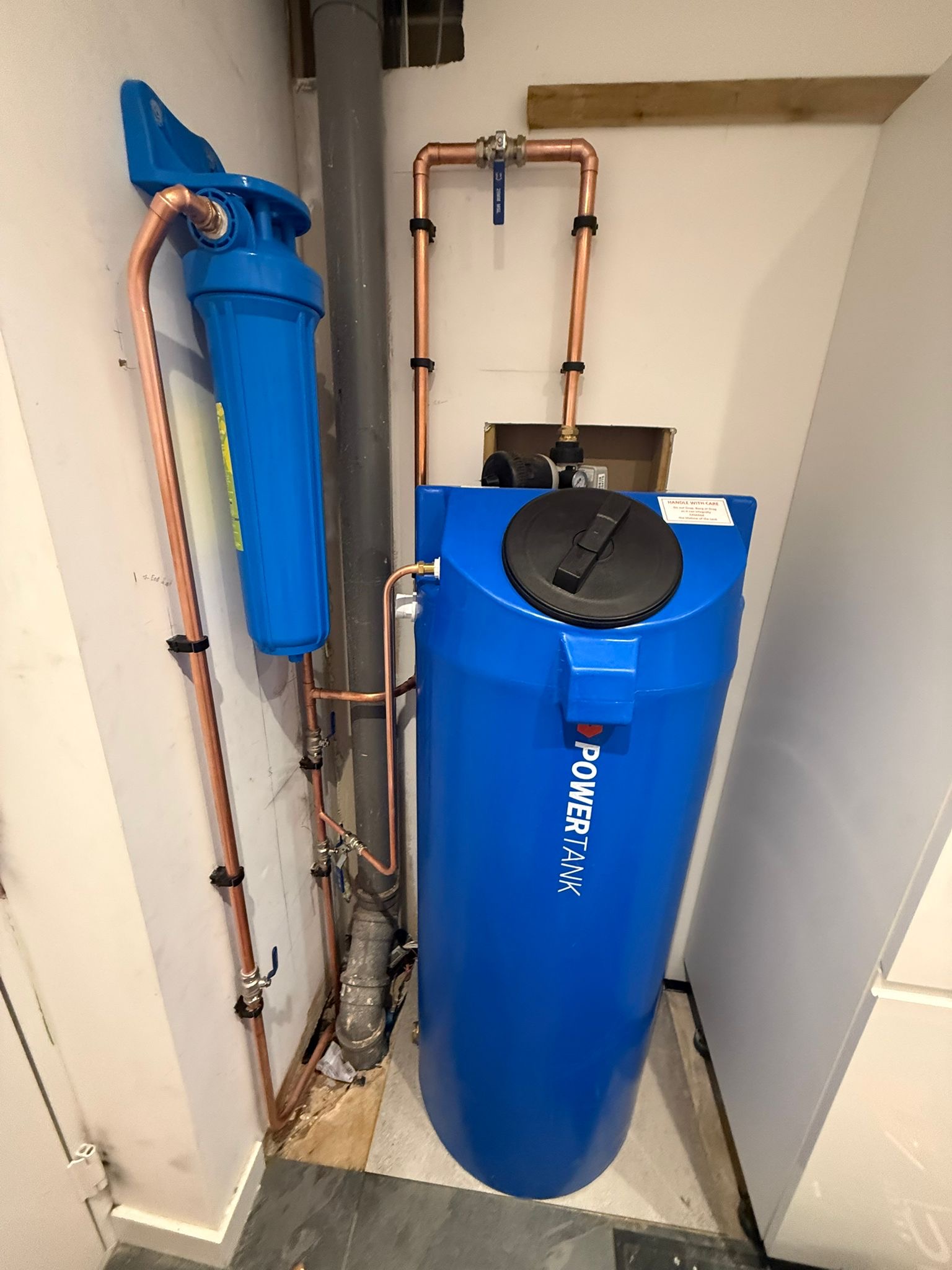
A shower pump briefly starting in an empty bathroom can be puzzling, particularly at night. A pump may react to changes in water flow or pressure according to its design. Unexpected starts can involve an outlet passing water, a loss along the pumped supply or a fault in the controls. The sound alone cannot identify which applies.
This guide concerns a separate domestic shower pump, not the circulation pump inside a boiler or an electric shower heating water within its own casing. The distinction matters because the supplies, controls and safe owner checks differ. Look at existing installation paperwork before deciding which appliance the noise belongs to.
Locate the equipment without disturbing its installation
A shower pump may be installed near a hot water cylinder or elsewhere along the bathroom supplies. Identify it by a safely visible label or your documents. Do not pull it forward, lift pipework, remove covers or reach into an inaccessible cupboard just to read a model number. A clear external photograph is enough to begin a discussion.
Listen for where the noise actually comes from. Cylinder controls, a boiler pump or a different appliance can be mistaken for the shower equipment. Notice whether vibration is local to the suspected pump, but do not touch hot pipes or moving components to confirm it. If the source remains uncertain, describe the room and sound instead of assigning a diagnosis from a video online.
Record the starts independently of shower use
Note whether the pump starts once after someone finishes showering, repeats at intervals or runs continuously. Also record whether other bathroom outlets have been used shortly before it happens. Some installations serve more than one fitting, so the assumption that a closed shower means no demand anywhere may be wrong.
Avoid repeatedly opening and closing outlets to provoke the equipment. Ordinary observations are more useful than a sequence of forced tests. A short recording from a safe position can show duration and sound. Add whether this is a new behaviour, has occurred since installation or began after a plumbing alteration. Those different histories change what needs checking without proving any particular component has failed.
A closed control may still pass water
A shower mixer or another outlet on the pumped route may allow a small amount of water through even when apparently shut. That water loss can be enough to affect some pump control arrangements. Look for accessible drips from the shower outlet and nearby fittings after use, without dismantling the mixer or turning it harder.
Residual water draining from a hose is not automatically a continuing supply leak. Our shower hose leak guide helps separate connection leaks from other symptoms. Report whether dripping stops or continues alongside repeated pump starts. Do not block the shower head or cap an outlet as a diagnostic experiment: that changes the installation conditions rather than establishing why water is passing.
Inspect visible pipework for signs of water loss
Check safely accessible areas around the pump and bathroom supplies for moisture, staining or damp storage items. A leak may be visible at a connection, while a hidden section may leave only a mark on the adjacent surface. Keep away if dampness reaches the pump electrics, a socket or any electrical connection.
Do not tighten flexible connections while the pump operates or use its pipework as a handle. A fitting may be damaged by movement even if it was not the original leak source. If there is an active escape, stop use and ask for advice on safe isolation. Turning the pump off does not necessarily isolate all stored water feeding it, so it should not be treated as a complete water shut-off.
Control behaviour depends on the pump model
Different pumps use different ways to recognise demand and maintain their intended operating conditions. A component or setting that exists on one model may be absent on another. Instructions for a superficially similar unit are not a sound basis for adjusting switches, vessels or internal controls on the equipment in your home.
Leave covers closed and record any externally displayed indication. Do not connect or bridge wiring to see whether a sensor is responsible. If the manufacturer describes a user control, follow only that owner's procedure. Unknown electrical or hydraulic settings need competent assessment. Our bathroom plumbing page is a starting point for discussing the installation, not a promise that every pump design has the same remedy.
Stored-water conditions can affect the investigation
The pump may depend on the hot and cold supplies being arranged as intended for that installation. Restricted delivery, air or changes upstream can influence its behaviour, but these possibilities require a system-specific check. A shower pump is not automatically suitable for a direct mains connection or an improvised alternative water source.
Do not adjust tank valves, link supplies or drain a cylinder to investigate intermittent starts. Record whether there has been a recent supply interruption and whether the shower also changes temperature during use. Our changing shower temperature guide covers that separate symptom. Mentioning both patterns gives the assessor context without treating an intermittent pump as proof that the boiler needs repair.
Unusual running should not become an overnight experiment
A pump that runs continuously, smells hot, leaks or makes a newly harsh sound needs attention rather than being left to repeat indefinitely. Keep clear of wet electrical equipment. Use a clearly identified, safely accessible user switch only where you can do so without approaching water or damaged wiring, and obtain advice if isolation is uncertain.
Do not fit a timer to silence an unexplained fault or use repeated power cycling as a repair. That can conceal the symptom while leaving water loss or another cause unchanged. Check the owner's instructions for permitted operation and note any warning indication. Avoid assuming that an occasional start is harmless purely because the shower still delivers water when requested.
Present the pump and supply information together
Useful information includes the make, model, approximate installation arrangement, which outlets it serves and the pattern of unwanted running. Add photographs of the accessible equipment and any wet fitting, taken without removing panels. Mention work carried out before the symptom started and any owner controls that have already been changed.
Pro Plumbers offers plumbing repairs. Ask about a shower pump that starts with the outlets closed, or call 01732 444555, explaining any water or electrical warning signs first. The discussion can establish whether the issue belongs to the bathroom supply arrangement, an outlet or the equipment itself before a replacement is considered. Do not purchase a new pump solely on the basis of the existing noise.