
Pro Plumbers · 27 November 2026
Why does my oil boiler keep locking out?
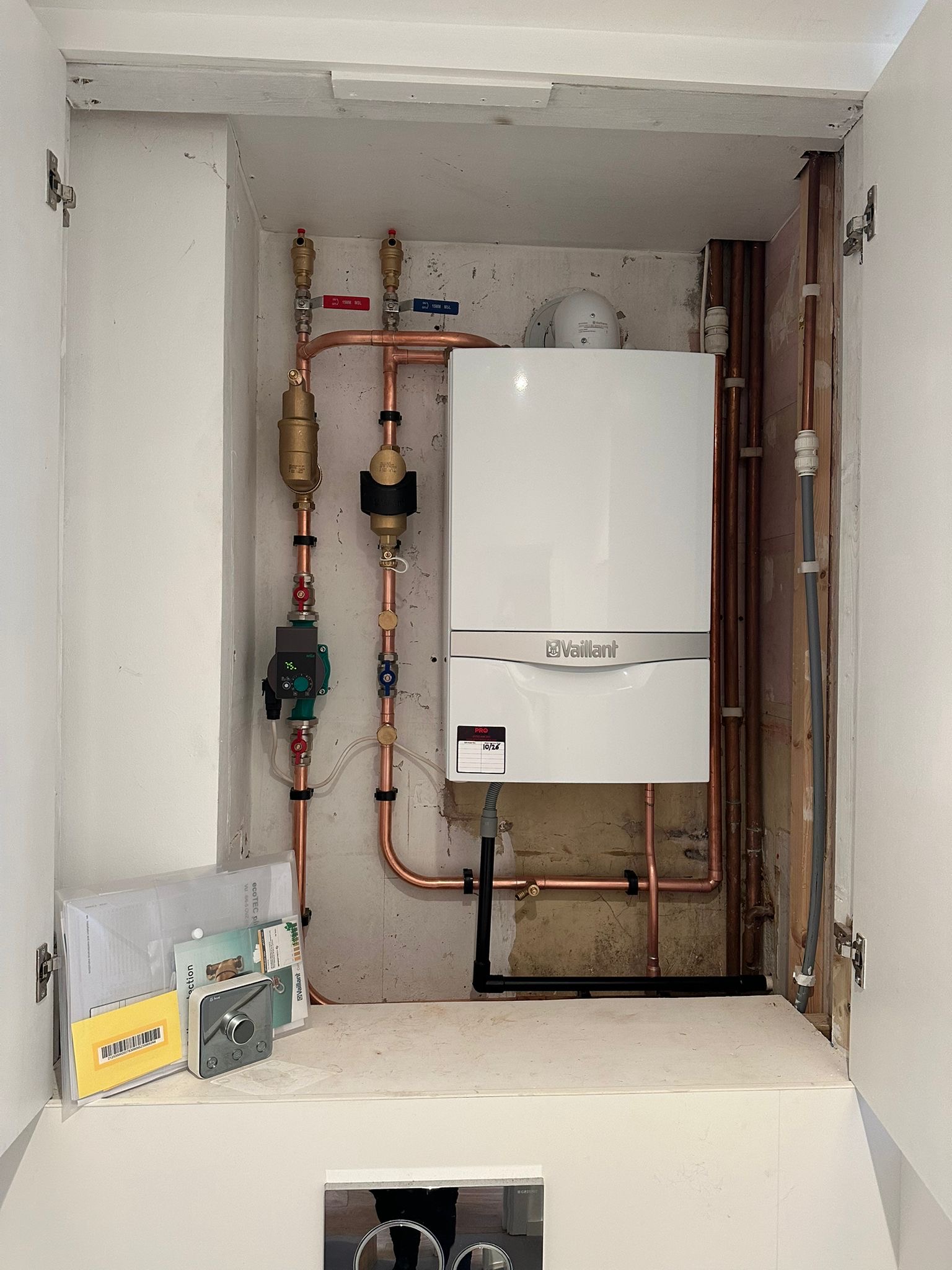
An oil boiler lockout means a protective control has stopped operation because the expected safe operating conditions have not been established or maintained. The warning is a reason to investigate, not an invitation to keep restarting the appliance. Repeated lockout can have several causes, and the light or message alone does not establish which component is responsible. Keep checks to ordinary user observations and leave technical work to an appropriately qualified OFTEC-registered engineer.
Recognise when the situation needs immediate action
If a carbon monoxide alarm sounds, or anyone feels unwell with symptoms that could relate to fumes, leave the building for fresh air and seek emergency assistance. Do not stay inside to diagnose the boiler or silence the alarm as a solution. Seek urgent medical advice if anyone may have been exposed.
Smoke, a strong unusual fuel smell, soot appearing around the appliance or visible oil escaping also needs prompt specialist attention. Do not operate switches or create ignition sources near suspected fuel vapour. Keep people away from the affected area. The carbon monoxide alarm guide provides related safety information.
Read the indication without opening the appliance
Note the exact message, warning light pattern or code visible on the normal user display. Record the boiler make and model from accessible paperwork or an external label. The control showing the warning may distinguish an appliance lockout from a separate heating control problem, but interpretation should follow the correct manufacturer's instructions.
Do not remove the casing, burner cover or electrical enclosure to locate another indicator. A photograph taken from a safe, ordinary viewing position is enough. Explain whether the boiler stopped while running or failed when heat was first requested, as that sequence can help an engineer plan the investigation.
Avoid turning reset into a repeated routine
Do not repeatedly press reset to obtain brief periods of heat. Restarting without understanding the fault can worsen an unsafe condition and make the original sequence harder to assess. If the manufacturer describes a user reset, that is not permission to keep trying after lockout returns or while there are signs of smoke, oil or fumes.
For a recurring fault, stop further restart attempts and arrange an appropriately qualified OFTEC-registered engineer. Keep a note of any resets already attempted and what happened afterwards. You do not need to reproduce the lockout for a video or run the appliance while waiting for advice.
Consider fuel availability without touching the supply
A low tank level or an interruption to fuel reaching the burner can be relevant, but the tank gauge is not a complete diagnosis. An apparent reading does not prove that oil is being delivered correctly. Recent running out, a delivery or work near the tank is useful history to pass on.
Observe only a safely accessible external gauge and any visible concern from a safe position. Do not bleed oil lines, loosen filters, operate unfamiliar fuel valves or try to clear a blockage. Our oil tank inspection guide gives wider context, but oil supply investigation belongs with an appropriately qualified OFTEC-registered engineer.
Understand why ignition and flame detection need expertise
A boiler can lock out when a burner does not establish or confirm the expected flame. Ignition components, flame detection and combustion conditions are possible parts of that investigation. They interact, so a failed start does not identify a particular component that can safely be replaced on guesswork.
Do not clean a nozzle, adjust a burner, disturb electrodes or attempt internal servicing. Correct work requires the appropriate competence and testing, not just access to spare parts. The oil boiler servicing page is the relevant service reference. Confirm that the person attending is OFTEC-registered and appropriately qualified for the work required.
Leave air, flue and internal safety checks to the engineer
Safe combustion depends on the appliance and its air and flue arrangements working as intended. An obstruction, combustion problem or another protective condition may contribute to shutdown. Do not dismantle a flue, remove guards or reach into an external terminal. Report an obvious concern from a safe ground-level position instead.
Keep existing ventilation unobstructed and do not box in the appliance to reduce noise or draughts. If a protective device has operated, it must not be bypassed to restore heat. Internal controls, overheat protection and electrical diagnosis are also matters for the appropriately qualified engineer rather than household fault-finding.
Describe heating behaviour without changing technical settings
Note whether both space heating and hot water are affected, where the installation provides both. Record whether the problem follows a long inactive period or appears during otherwise ordinary operation. A demand from the programmer is useful context, but it does not prove that the boiler or the rest of the heating system is functioning correctly.
Do not alter pump settings, internal controls or safety devices to see whether lockout disappears. Gather service records and previous fault notes if available. The boiler repair or replacement guide explains why condition and diagnosis matter before deciding on larger changes. Lockout alone does not establish that replacement is necessary.
Arrange a qualified assessment with a clear fault history
Share the model, displayed indication, timing, fuel history and any signs of leakage or unusual smell. Explain what ordinary user actions have already been taken without attempting another restart. Access information and photographs of external controls can help, but no one should enter an unsafe area to collect them.
Use the contact page to ask about the next step, making clear that the appliance is oil-fired and repeatedly locking out. All burner, oil supply and internal work must be left to an appropriately qualified OFTEC-registered engineer. Safe restoration means addressing the cause and checking operation, not merely clearing the warning.