
Pro Plumbers · 27 November 2026
Why is my outdoor air conditioning unit noisy?
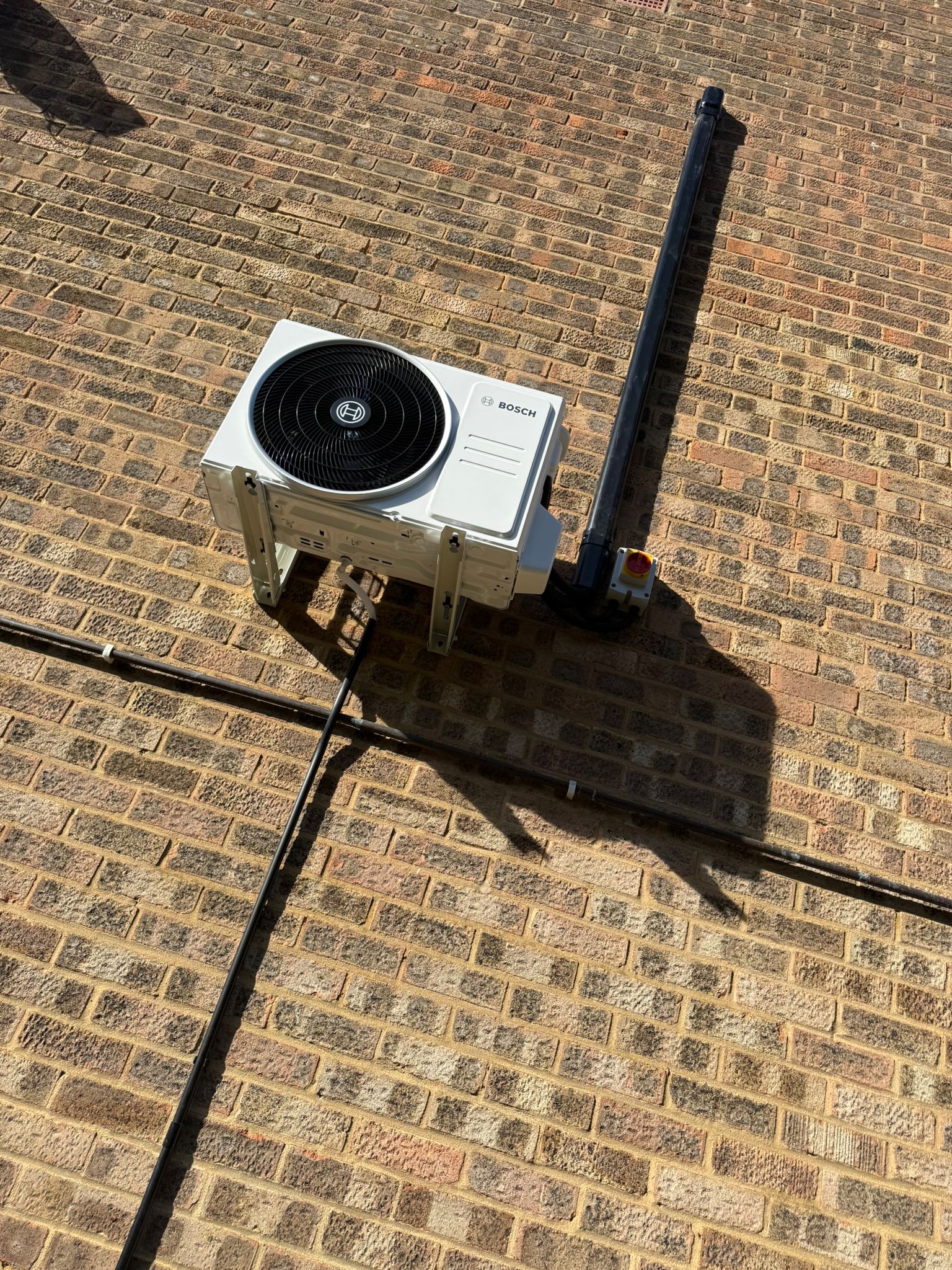
An outdoor air conditioning unit normally makes some sound as its fan and compressor operate. A new rattle, scrape or heavy vibration is different from the familiar operating noise you have heard before. The most useful question is what changed, when it changed and whether the system is still behaving normally otherwise.
Observe from a safe distance without touching the casing or reaching through a grille. If the noise is severe, the unit appears unstable or there is a burning smell, stop operation through the normal controls if safe. Do not take off panels, tighten visible fixings or try to restrain moving equipment with a hand or an object.
Compare the new sound with the usual operating pattern
Some systems vary their output, so the sound can rise and fall as demand changes. Starting and stopping may also sound different from steady operation. A change in level is not enough on its own to identify a fault. Think about whether the sound is genuinely new or simply more noticeable in quieter surroundings.
Record whether it occurs at startup, throughout operation or near shutdown, without repeatedly restarting the unit to reproduce it. Note which indoor units were being used if several share one outdoor unit. The air conditioning maintenance guide gives useful background on ongoing care, but a new mechanical sound still needs its own assessment.
Distinguish air movement from scraping and impact
The movement of air through a fan grille produces a different character of sound from a repeated knock or metallic scrape. You do not need to name the failed component. A short recording from a safe, accessible position can convey the pattern more clearly than a diagnosis based on a phone application.
Never put a phone, stick or fingers inside the grille to locate the source. A fan can start unexpectedly, and a stopped fan is not permission to approach its blades. If scraping or impact is pronounced, leave the equipment off pending advice. Continuing to run it solely to improve a recording can worsen a mechanical problem.
Look for loose objects around the installation
Windblown material or an item stored nearby may vibrate against a wall or obstruct airflow. From ground level, look at the surroundings rather than reaching into the unit. Remove an unrelated object only if it can be moved safely without touching the equipment, its cables, pipework or supports.
Do not cut vegetation that has grown into the grille or pull trapped material through it. Leave anything within the equipment boundary to the engineer. Avoid hosing the unit or using tools to dislodge debris. Explain if the noise began after windy weather or garden work, but do not assume that visible leaves account for every sound coming from the installation.
Notice whether vibration is travelling through the building
A hum heard indoors may be transmitted through a support, pipe route or nearby structure rather than directly through the air. Record the rooms where it is most noticeable and whether it changes when the equipment stops normally. This can help distinguish an outdoor source from an unrelated household noise.
Do not wedge material beneath the unit or add padding between its bracket and the wall. Altering support points can affect stability and pipe connections. The water hammer guide discusses a separate source of household banging. Its plumbing advice should not be applied to air conditioning supports or refrigeration pipework.
Leave brackets and mounting feet untouched
Corrosion, movement or damaged supports need professional attention. View them only from a position that requires no climbing, leaning out of a window or standing beneath suspect equipment. If a wall-mounted unit seems insecure, keep people away from the area and seek prompt advice rather than testing how firmly it is attached.
A visibly accessible bolt is not an invitation to tighten it. Loading and alignment matter, and turning one fixing may place stress elsewhere. Do not sit on a ground-mounted unit or try to level it with improvised wedges. Tell the engineer about recent building work or accidental impact, since these can change the assessment of the mounting arrangement.
Avoid treating every hum as a refrigerant problem
Compressor operation, airflow, mounting and other components can contribute to noise. The sound alone does not establish refrigerant quantity or justify adding anything to the system. Do not touch exposed pipework to compare it with an online description, and do not loosen a fitting to investigate a hiss.
Refrigerant work must be left to an appropriately qualified F-Gas engineer. This guide also excludes electrical investigation or repair. Use the air conditioning repair page when discussing an operating fault, and provide the model details. Diagnosis should connect the noise with the system's actual behaviour rather than selecting a component because a recording sounds similar.
Know when quiet observation should give way to shutdown
A mild unfamiliar sound and violent shaking call for different immediate responses. Stop using equipment that is scraping heavily, striking its casing, showing obvious instability or producing a burning smell. Use only the normal controls from a safe location. Do not approach wet, damaged or smoking equipment to operate a local switch.
If there is smoke or fire, move away and seek emergency help as appropriate. Keep children and pets clear of the outdoor unit while awaiting advice. A noise that disappears after shutdown has not necessarily been repaired. Restarting repeatedly to see whether it returns can obscure the original pattern and expose the system to further stress.
Send a useful description of the outdoor noise
Explain the sound in ordinary language and include when it started, whether it is continuous and whether cooling has changed. Mention any indoor vibration, visible movement or obstruction, but do not climb or remove guards for photographs. A brief description of access restrictions is useful if the equipment is mounted at height.
The air conditioning service page provides the relevant starting point. Use the contact page to ask about assessment and include a safe recording if available. Leave any unit showing serious warning signs off pending professional advice. The aim is to identify the cause, not to silence the symptom with padding, covers or altered operating settings.