
Blog
What Does a Boiler Service Include?
A clear checklist of what should happen during a proper annual boiler service in your Kent home.
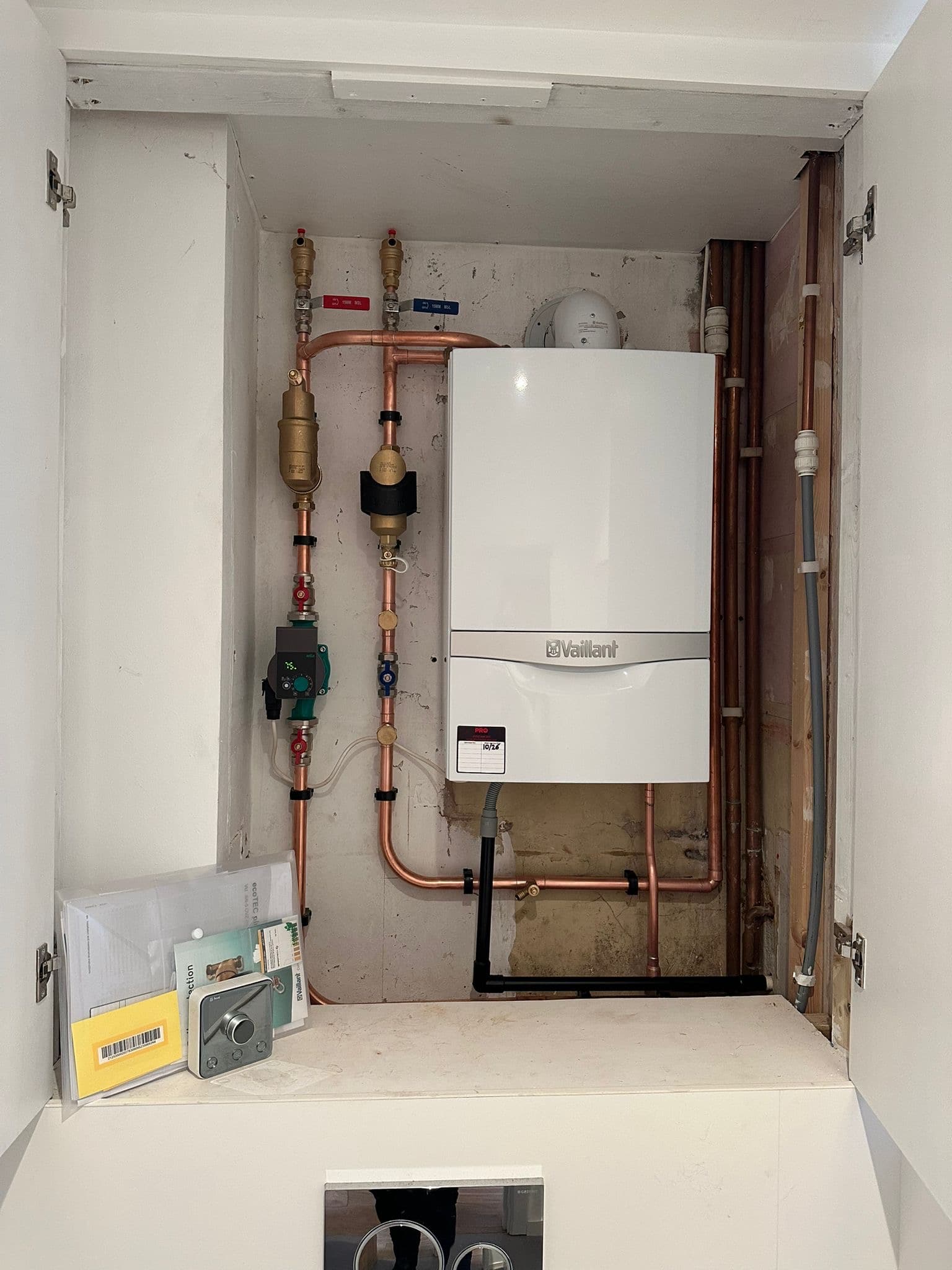
If you live in Kent and have been told your boiler needs an annual service, it can be hard to know what that really involves. A proper service is a structured safety and performance check, not just a quick glance and not the same as a full repair visit.
What a boiler service is (and what it is not)
A boiler service is a planned visit where a qualified engineer checks your boiler is burning gas or oil safely, working efficiently, and set up correctly for your home. They follow a set sequence of tests recommended by the manufacturer and industry standards.
It is not automatically a repair. If the engineer finds faults or unsafe parts, they will usually explain the problem and give you options for fixing it. Any extra repair work, parts or further visits are normally agreed separately.
Think of a service like an MOT for your boiler. It helps catch issues early, supports reliability, and gives you confidence the appliance is running safely for your household.
Checks to make before you book a boiler service
Before you confirm an appointment, there are a few key things to check so you know you are getting a proper, compliant service.
Gas Safe or OFTEC registration: Gas boilers must be serviced by a Gas Safe registered engineer. Oil boilers should be serviced by an OFTEC registered technician.
Boiler make, model and age: Have this information ready from the front of the boiler or the manual, as it helps the engineer prepare.
Access to the boiler and flue: Make sure cupboards, loft hatches or outdoor areas can be reached safely and are not blocked.
Type of system: Let the engineer know if you have a combi, system or regular boiler, and whether you have unvented hot water cylinders or other controls linked in.
When you book, it also helps to mention any issues you have noticed, such as pressure dropping, strange noises, or hot water going hot and cold. These can guide the engineer during their checks.
Step-by-step: what a typical boiler service includes
The exact checklist varies slightly between boiler makes and models, but most annual services for gas or oil boilers in Kent will follow a similar pattern.
Initial safety and visual checks
The engineer will start by checking the surrounding area for good ventilation and any signs of leaks, staining or damage. They will confirm the flue route and terminal are accessible and not blocked.
They will usually check the gas supply and, where visible, the condition of pipework and isolation valves. For oil boilers, they will check the oil line and filters, and look for any signs of leaks.
Removing the boiler casing and internal checks
Once the boiler is isolated electrically and from the fuel supply, the casing is removed so internal parts can be inspected and cleaned where necessary. This should only ever be done by a qualified professional.
Inside the boiler, the engineer will typically check:
Burner and heat exchanger: Inspecting for signs of soot, corrosion or damage and cleaning if required by the manufacturer.
Seals and gaskets: Looking for wear, cracking or leaks that could allow products of combustion into the room.
Spark and flame sensors: Ensuring ignition and detection components are in good condition and positioned correctly.
Condensate trap and pipework: Checking for blockages, correct fall on the pipe, and that the trap is refilled after cleaning.
Combustion and flue performance checks
For modern boilers, a flue gas analyser is typically used to measure how cleanly and efficiently the boiler is burning fuel. The engineer inserts a probe into a test point on the flue and runs the boiler at specific settings.
They compare the readings to the manufacturer’s instructions, adjusting if necessary. They will also visually inspect the full length of the flue route where possible, including any loft sections, to ensure it is correctly supported, sealed and terminated.
System pressure, expansion vessel and safety devices
The service should include checks on the heating system side, not just the boiler itself. The engineer will look at the boiler pressure when cold and hot, and top up or advise if it is outside the normal range.
They will check the pressure relief valve and discharge pipe, making sure any water can escape safely in the event of a fault. For sealed systems, a basic check of the expansion vessel is usually carried out, either by checking its pressure or its behaviour as the system heats up.
Other safety devices, such as overheat stats and flame sensing, are tested as per the manufacturer’s instructions to confirm the boiler shuts down correctly if something goes wrong.
Controls, thermostat and system water quality
As part of the service, your room thermostat, programmer and any smart controls should be checked to see that they switch the boiler on and off properly. The engineer may also advise on setting them for better comfort and efficiency.
Many engineers will carry out a simple heating water quality check, often using test strips. If the water is dirty or corrosive, they may recommend cleaning or treating the system to protect your boiler and radiators.
Paperwork you should receive after a boiler service
At the end of the visit, the engineer should explain what they have done and highlight any issues or advisory notes. You should receive a service record, either on paper or electronically.
For newer boilers, this is often written into the Benchmark logbook that came with the appliance. Keeping this up to date is usually a condition of the manufacturer’s warranty, so it is worth storing it safely.
The record should show who carried out the work, their Gas Safe or OFTEC details, the date, key test results and any recommendations. Do not be afraid to ask questions if anything is unclear.
Common reasons a boiler service may be stopped
Occasionally, an engineer may have to stop the service part way through if they find something unsafe. This is to protect you, your household and the property.
Typical reasons include:
Unsafe appliance: Serious signs of overheating, damaged casings or unsafe combustion readings.
Inadequate ventilation: For appliances that need air from the room, blocked vents or sealed cupboards can make operation unsafe.
Flue defects: Missing sections, poor sealing, or a flue that cannot be inspected where required.
If your boiler is classified as unsafe, the engineer has a duty to make it safe. This may mean turning it off, capping the gas or oil supply, and issuing a safety notice. They will explain the issue and the next steps, such as repair options or flue alterations, before the boiler can be used again.
How to prepare your home for a boiler service
A little preparation before your engineer arrives will help the visit go smoothly and reduce disruption in your home.
Clear any items from around the boiler cupboard and provide safe access to the flue route.
Make sure someone over 18 is at home to speak with the engineer.
Have your boiler manual and Benchmark logbook ready if you have them.
Write down any problems you have noticed so you remember to mention them.
Keeping your boiler reliable and safe in Kent
A proper boiler service is much more than a quick wipe down. It is a structured set of safety and performance checks that help keep your heating reliable, protect your warranty, and support the safety of everyone in your home.
If you are in Kent and want your next service carried out by an experienced, qualified team, you can book through the Boiler Servicing page with Pro Plumbers or call 01732444555. Regular servicing is one of the simplest ways to look after both your boiler and your peace of mind.
Other Articles


